A lead fills out a form at 11 p.m. on a Friday. Nobody on your sales team sees it until Monday morning. By then, they’ve already booked a call with your competitor – the one whose chatbot answered them in ninety seconds.
That gap is what AI lead nurturing closes. It uses behavioural data, scoring models, and automated messaging to move a prospect from “just browsing” to “ready to talk to sales” without a human writing a single follow-up email in between. Not because humans aren’t useful – they’re just too slow and too few to do this at the volume most businesses now need.
We’ve built these systems for Melbourne businesses across property services, education, and finance, and the pattern is always the same: the leads that convert aren’t the ones sales reps chase hardest. They’re the ones who get the right message within minutes of showing interest, then keep getting nudged at exactly the right moments until they’re ready to buy.
What “no human follow-up” actually means
It doesn’t mean nobody’s watching. It means no person is manually deciding when to send the next email, which offer to mention, or whether a lead has gone cold. The AI makes those calls based on rules and behaviour it’s been trained on, and a human only steps in once the lead crosses a threshold worth their time.
Practically, that looks like:
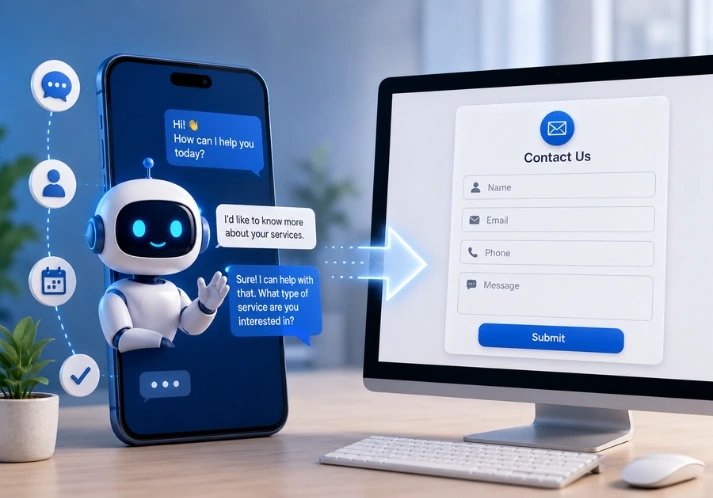
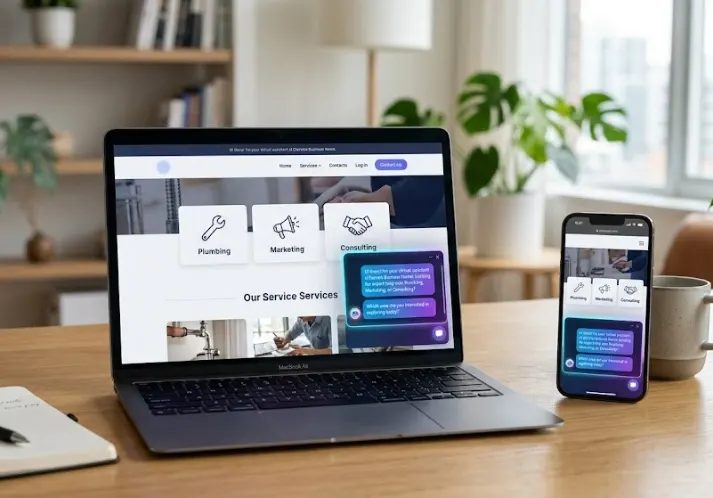
- A chatbot answering a pricing question the moment someone lands on a service page, instead of a contact form sitting in an inbox overnight.
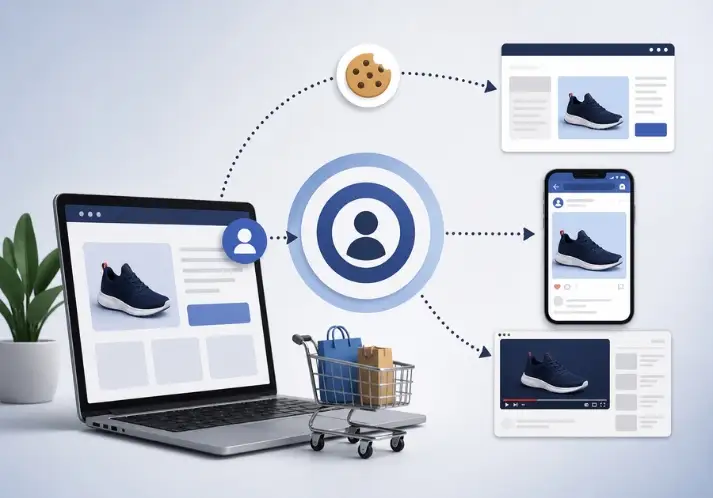
- An email sequence that changes tone and content depending on whether someone opened the last message, clicked through, or ignored it entirely.
- A scoring model that quietly ranks every lead in your CRM and flags the ones worth a phone call, while the rest keep getting nurtured automatically.
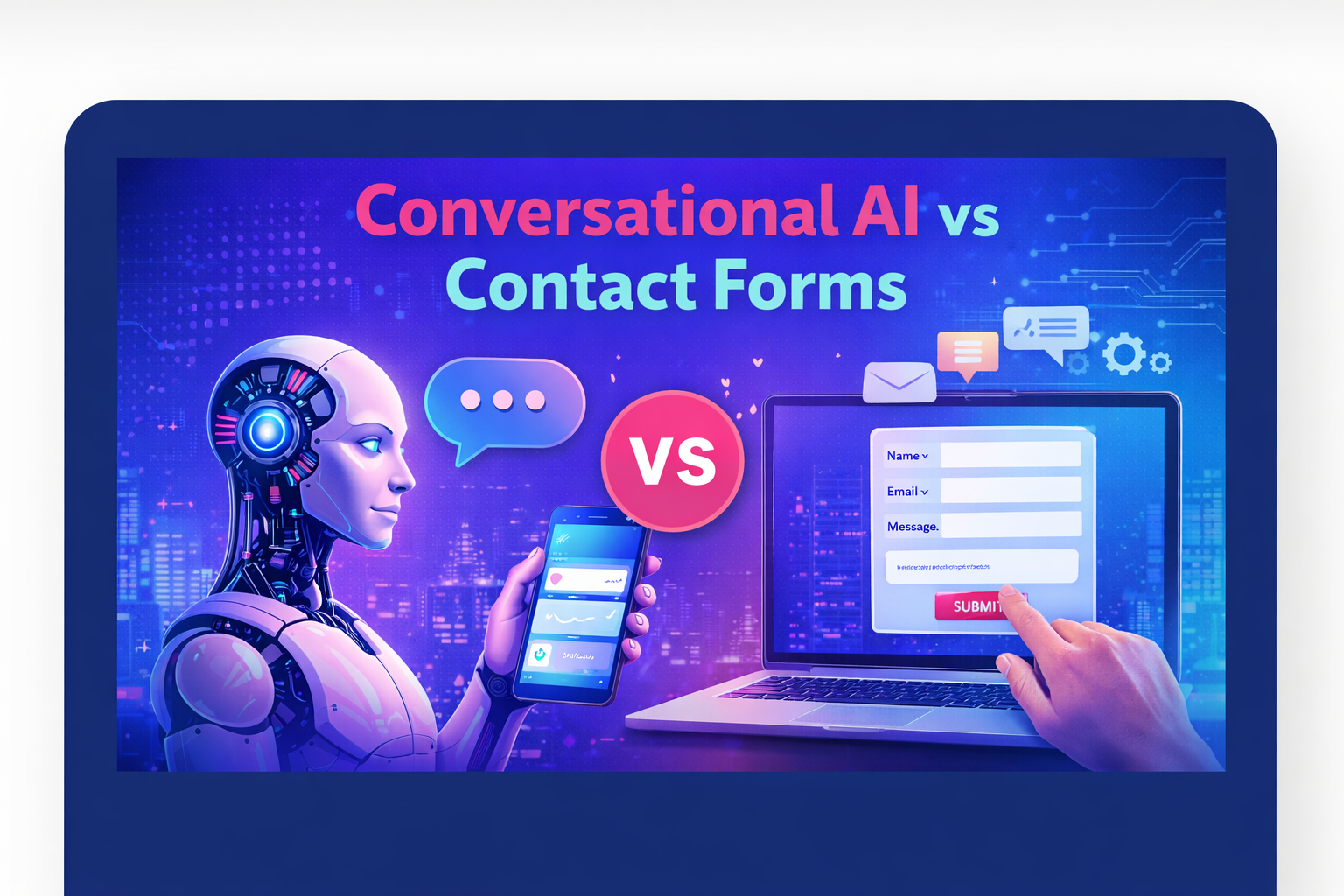
We’ve written before about how AI chatbots are replacing contact forms for exactly this reason – the first response is often what decides whether a lead sticks around.
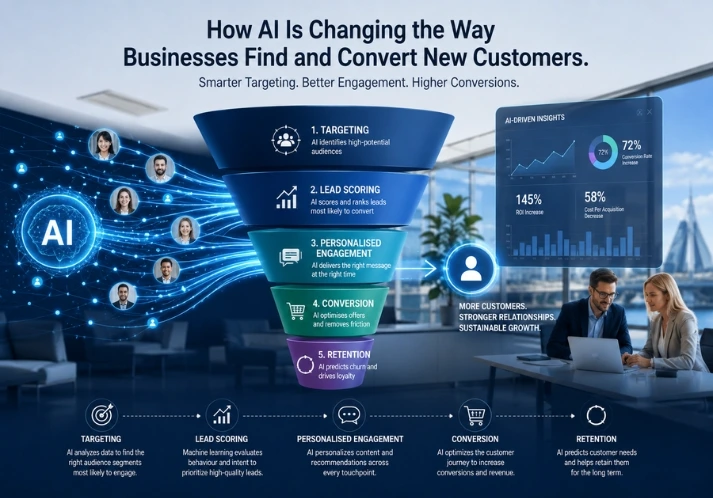
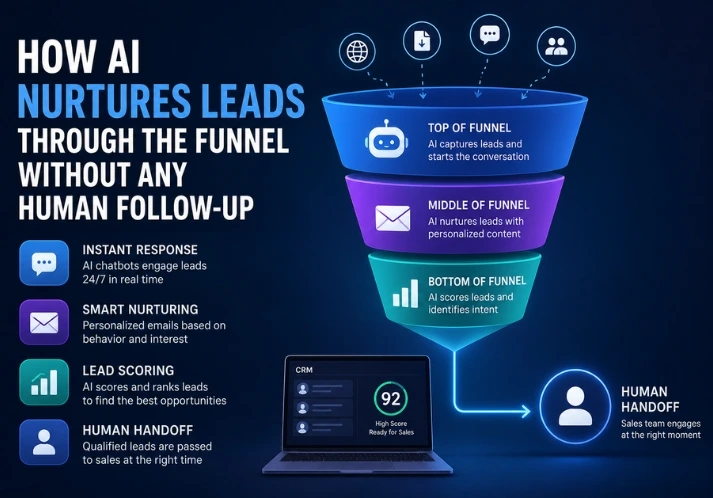
Where AI takes over at each stage of the funnel
Top of funnel: someone downloads a guide or asks a chatbot a question. AI captures the interaction, tags the lead with an interest category, and fires off an immediate, relevant response instead of a generic “thanks, we’ll be in touch.”
Middle of funnel: this is where most manual nurturing quietly falls apart, because keeping track of forty leads at different stages, each needing a different message, isn’t something a busy sales rep can sustain. AI handles it by watching behaviour – email opens, page revisits, time spent on a pricing page – and adjusting the next message automatically. Someone who revisits your case studies page three times in a week gets a different email than someone who hasn’t opened anything in two weeks.
Bottom of funnel: once a lead’s behaviour and score cross a set threshold, the system hands them to a real person. This is the one part of the funnel we don’t recommend automating away entirely – closing a deal still benefits from a human conversation. The AI’s job here is making sure that conversation happens with someone who’s already warm, not cold.
We cover the scoring piece in more depth in how AI identifies your highest-value leads before your sales team even calls, if you want to see how the ranking side works.
What’s actually running under the hood
None of this is magic, and it’s worth being specific about what’s doing the work, because “AI” gets used loosely in marketing:
Behavioural triggers: The system watches for specific actions – a click, a page visit, an abandoned form – and fires a pre-built response. This part isn’t new; marketing automation platforms have done triggers for over a decade. What’s changed is how the content of that response gets built.
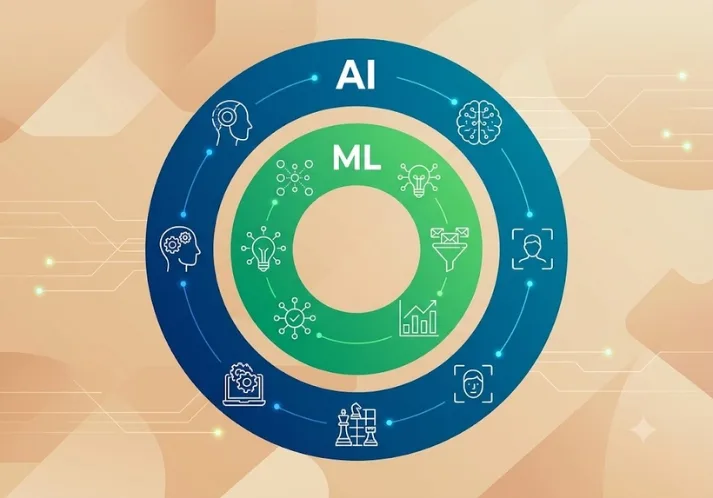
Predictive lead scoring: Machine learning models look at hundreds of past leads and figure out which behaviours correlate with an eventual sale. New leads get scored against that pattern in real time, so a rep isn’t guessing which of fifty leads to call first.
Generative personalisation: This is the newer piece. Instead of one templated follow-up email, the system can draft a version referencing the specific page someone viewed or the question they asked, and adjust tone based on how the conversation’s gone so far.
CRM-native automation: All of this only works if it’s plugged into where your sales team actually lives. A brilliant AI sequence that lives in a separate tool your reps never check is worse than no automation at all.
We talked about the data side of this in how AI turns your marketing data into decisions you can act on today – worth a read if you’re still working off gut instinct for lead prioritisation.
A real example of this in action
One client we worked with – a property services business fielding enquiries seven days a week – was losing weekend leads to competitors who simply answered faster. We set up a chatbot to handle initial questions and qualify urgency, paired with an automated email sequence that adjusted based on which service page the lead had browsed. Sales reps only got involved once a lead answered a qualifying question or asked for a quote directly.
The result wasn’t that the business needed fewer people. It’s that the two people on the sales team stopped spending their mornings triaging Saturday night enquiries and started spending it on calls with people who’d already indicated they were ready to buy.
That’s the honest version of what “no human follow-up” delivers: less time wasted on manual triage, not fewer humans involved in selling.
Where this goes wrong
It’s worth being upfront about the failure modes, because plenty of businesses get burned here:
- Generic personalisation that isn’t personal: A system that just inserts a first name into a template isn’t nurturing – it’s mail merge with extra steps. Leads notice the difference.
- No exit ramp: If a lead genuinely wants to talk to a person and can’t get one, you lose them. Every automated sequence needs an obvious way to reach a human.
- Over-automating the close: We’ve seen businesses try to automate the actual sales conversation, not just the lead-up to it. That tends to backfire on anything with real consideration time – property, finance, education, B2B services.
- Stale scoring models: A model trained on last year’s buyer behaviour doesn’t automatically stay accurate. It needs to be checked and retrained as your market and offers change.
None of these are reasons to avoid AI nurturing. They’re reasons to set it up properly and keep a human checking the system’s output, at least until you trust it.
Getting started without overbuilding it
You don’t need a full martech stack on day one. A reasonable sequence:
- Fix your first response first: If a lead waits more than a few minutes for any acknowledgment, start there before anything else.
- Get your data into one place: Scoring and personalisation both need clean data. If your CRM, website, and ad platforms aren’t talking to each other, that’s the actual bottleneck.
- Automate one stage at a time: Start with top-of-funnel response, prove it works, then move to mid-funnel nurturing before touching anything near the close.
- Keep a human threshold: Decide upfront what score or behaviour hands a lead to a person, and don’t let leads sit in automation past that point.
This is close to how we set up AI automation for clients, including through our own OptiSara system – starting with the highest-friction point in the funnel and expanding from there rather than automating everything at once.
Frequently asked questions
Does AI lead nurturing replace the sales team?
No. It replaces manual triage and repetitive follow-up, not the actual selling. Most setups still route qualified leads to a human once they’re ready to talk.
How fast does a lead need a first response?
As close to instant as you can manage. Response speed is one of the strongest predictors of whether a lead converts, which is why chatbots and automated first replies matter more than the rest of the sequence combined.
Is this only for large businesses with big budgets?
No. Even a single chatbot handling after-hours enquiries, paired with a basic email sequence, covers the biggest gap for most small and mid-sized businesses – the hours nobody’s watching the inbox.
What data does AI lead nurturing actually need?
Behavioural data (page visits, email engagement, downloads) and a clean CRM record for each lead. Without accurate data, scoring and personalisation both produce worse results than doing nothing.
The bottom line
AI doesn’t nurture leads better than a person could in an ideal world. It nurtures them better than a person actually can, given that most sales teams are stretched, leads arrive at all hours, and manual follow-up doesn’t scale past a few dozen active conversations. Set the boundaries properly, keep a human in the loop for the close, and it’s one of the few places in marketing where automation genuinely does more with less.
If you’re trying to figure out where the biggest gap is in your own funnel, get in touch – we’ll walk you through what’s realistic to automate first.