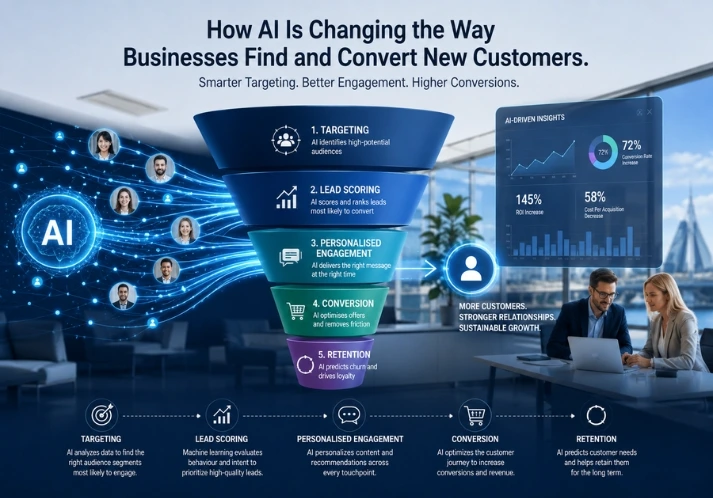
Two years ago, “using AI for marketing” mostly meant a chatbot widget in the corner of a website and a content tool that spat out blog drafts. That’s not what it means anymore. AI customer acquisition today touches almost every stage of the funnel – who gets targeted, what they see, how fast they get a reply, and which leads a sales team even bothers calling.
We work with businesses across Melbourne and Australia-wide on exactly this problem, and the pattern is consistent: companies that plug AI into specific, measurable parts of their funnel are converting more of the traffic they already have. Companies that treat AI as a marketing buzzword to bolt on aren’t seeing much change at all. The difference is rarely the tool. It’s where and how it’s used.
This piece breaks down what’s actually changing on the “finding customers” side and the “converting customers” side, where the real gains are, and where the hype outpaces the results.
What “AI Customer Acquisition” Actually Means
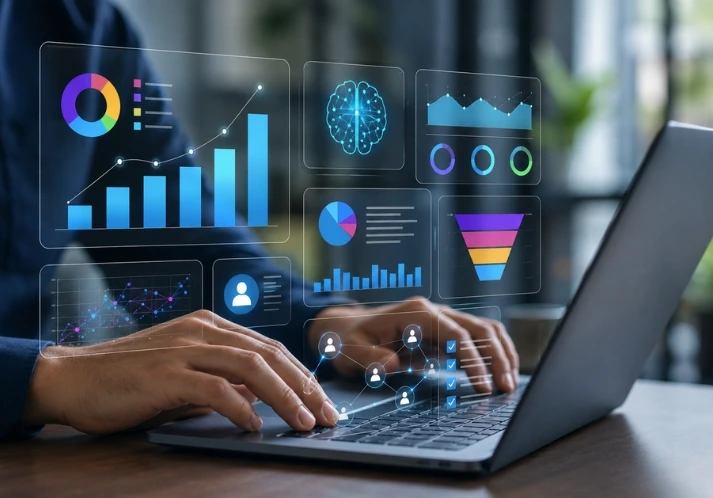
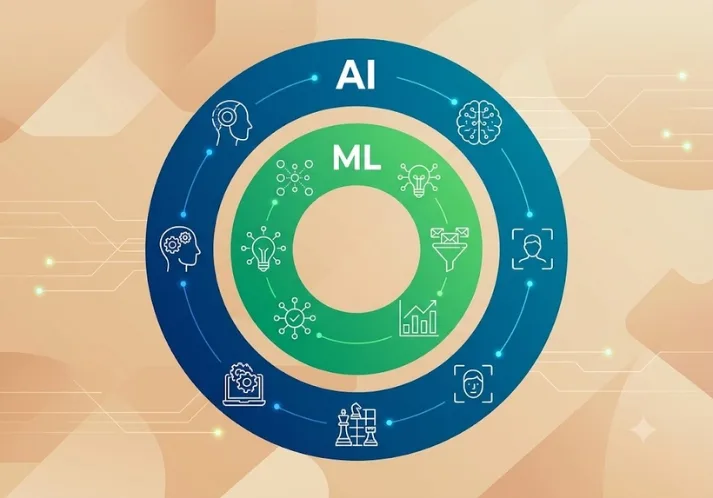
Strip away the marketing language and AI customer acquisition comes down to three things: using machine learning to predict who’s likely to buy, using automation to respond to them faster than a human can, and using generative AI to show up in the places people now search – which increasingly includes AI chat tools, not just Google’s blue links.
It’s not one system. It’s a handful of overlapping technologies – predictive analytics, intent data platforms, conversational AI, and generative search optimisation – doing different jobs at different points in the customer journey.
How AI Is Changing the Way Businesses Find New Customers
Predictive targeting has replaced guesswork
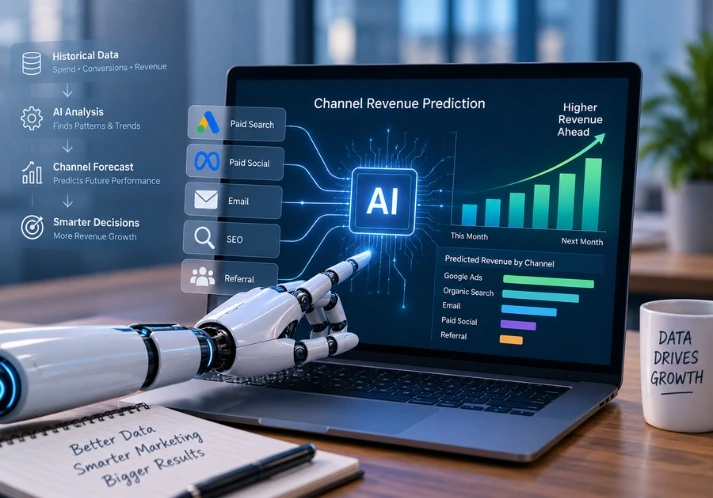
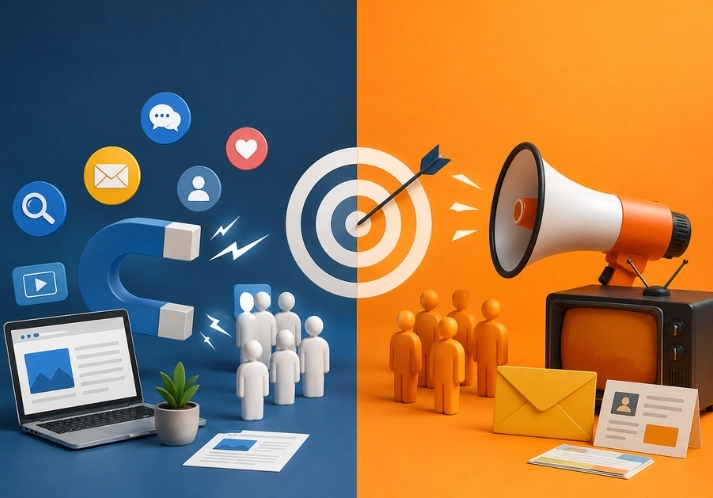
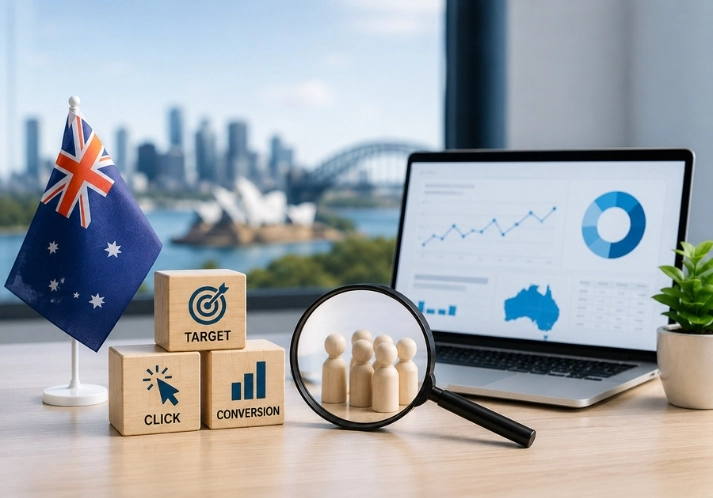
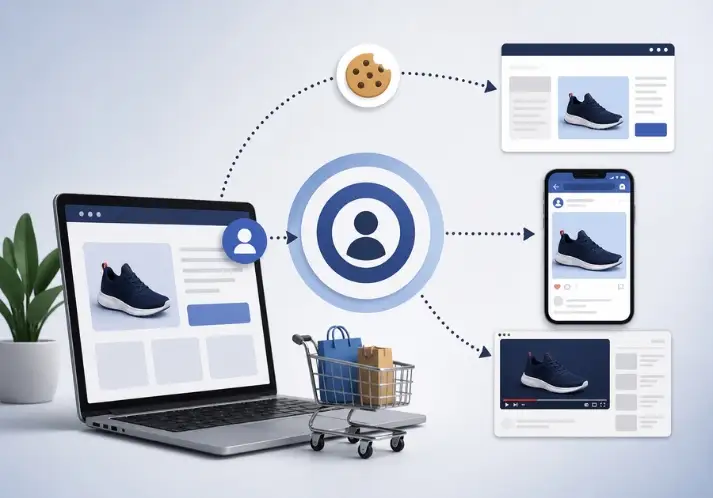
Traditional audience targeting relied on broad demographics – age, location, job title. AI models now score prospects on behaviour: pages visited, time on site, content downloaded, even the order in which someone browses a site. That behavioural signal is a far better predictor of purchase intent than demographics ever were, which is why platforms like Google Ads and Meta have quietly rebuilt their targeting engines around machine learning rather than manual audience-building.
In practice, this means ad spend gets pointed at people who are already showing buying signals, instead of a wide net based on who might fit the profile. We’ve seen campaigns where shifting budget toward behaviourally-scored audiences dropped cost-per-lead noticeably within the first month, simply because the ad platform stopped wasting impressions on people who were never going to convert.
Intent data is surfacing buyers before they raise their hand
Intent data tools track signals across the web – searches, content consumption, competitor research – and flag accounts that are actively in-market, often before they’ve filled out a single form. For B2B businesses especially, this closes a gap that’s existed for years: by the time someone submits a contact form, they’ve usually already narrowed their shortlist. Intent data lets sales and marketing teams get in front of that decision earlier.
Businesses now have to be found by AI, not just Google
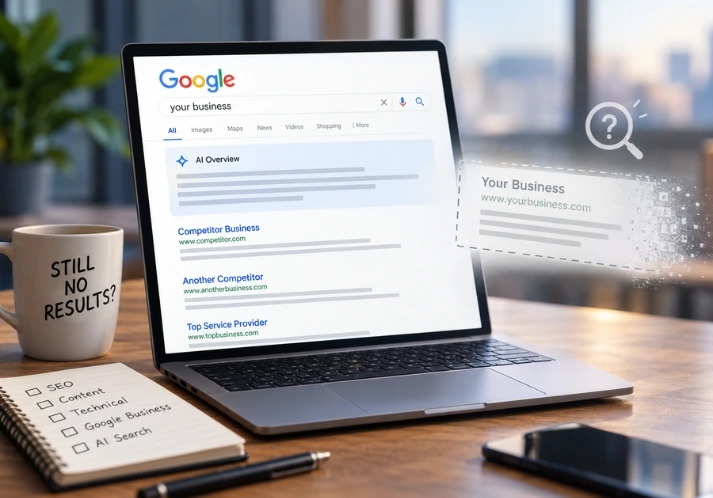
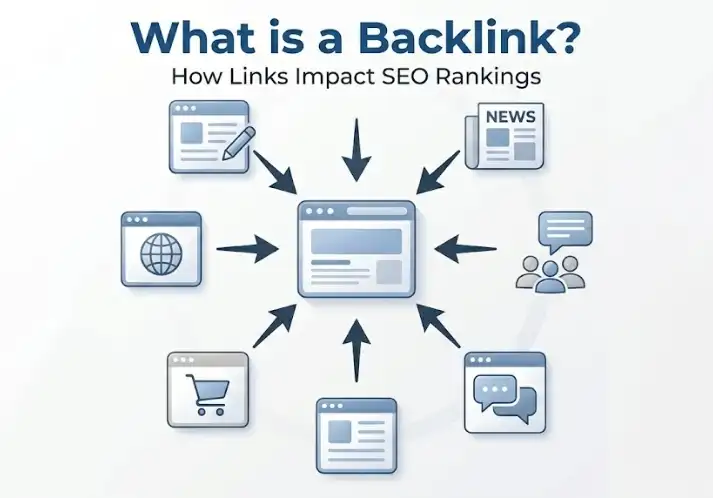
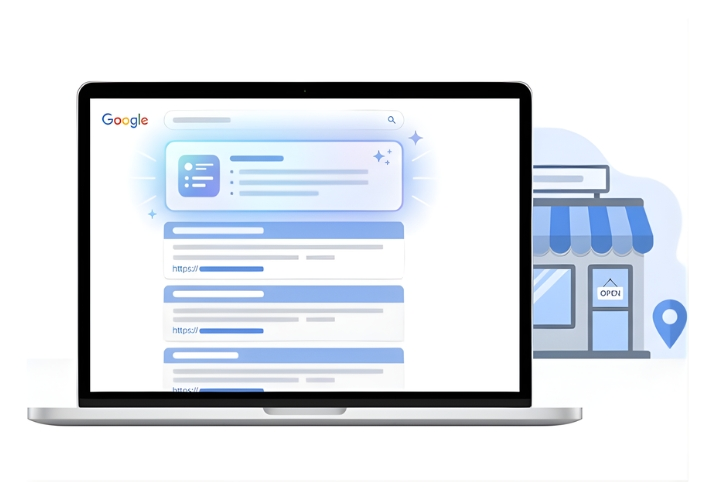
This is the shift most companies haven’t caught up to yet. A growing share of research and buying decisions start in ChatGPT, Perplexity, or Google’s AI Overviews rather than a traditional search results page. Getting cited in those answers requires a different kind of optimisation – clear, well-structured, fact-backed content that AI systems can pull from confidently – rather than the keyword-density tactics that worked for classic SEO. We’ve written more on what that shift actually requires in our AI SEO services breakdown, and how it changes what “ranking” even means.
How AI Is Changing the Way Businesses Convert Leads
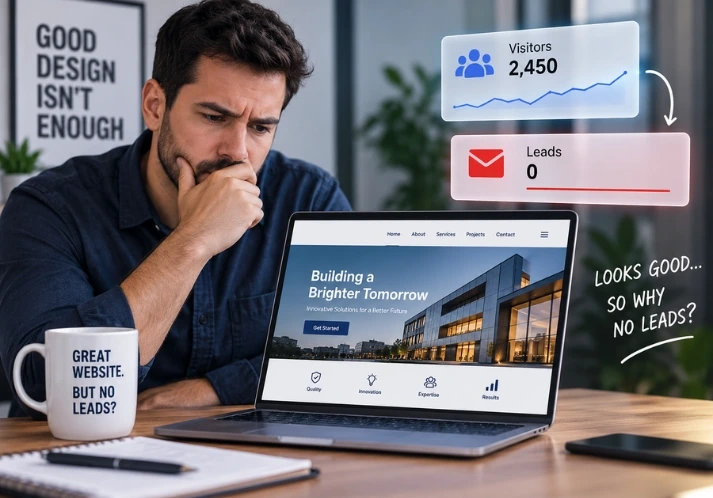
Finding more prospects doesn’t help much if conversion stays flat. This is where the bigger, more measurable gains are actually showing up.
Lead scoring is catching the leads sales teams used to miss
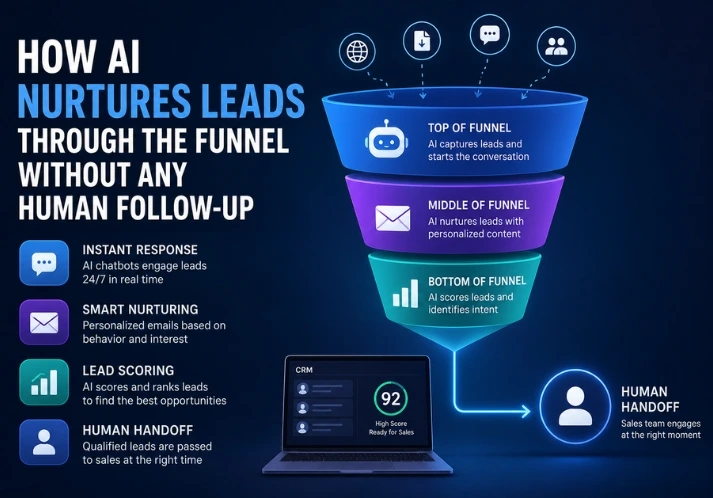
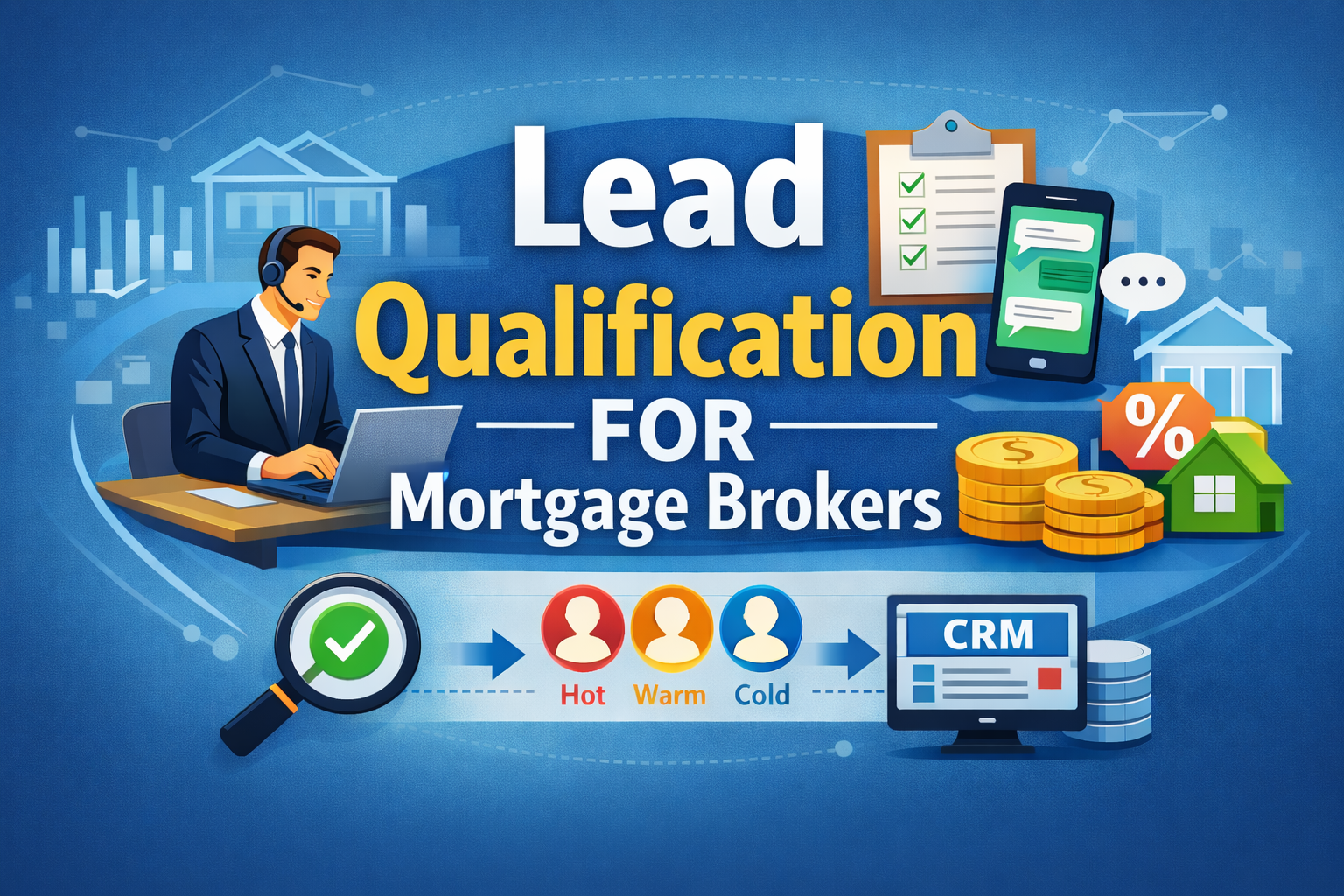
Most sales teams still work leads roughly in the order they arrive, which means a genuinely hot prospect can sit in a queue behind five people who were never going to buy. AI lead scoring models rank leads by likelihood to convert, based on behaviour and fit, so reps spend their time on the accounts most worth chasing. We covered this in more depth in how AI identifies your highest-value leads – the short version is that speed-to-lead and prioritisation, not lead volume, tend to be the bigger conversion lever.
Response time has effectively become a ranking factor for sales
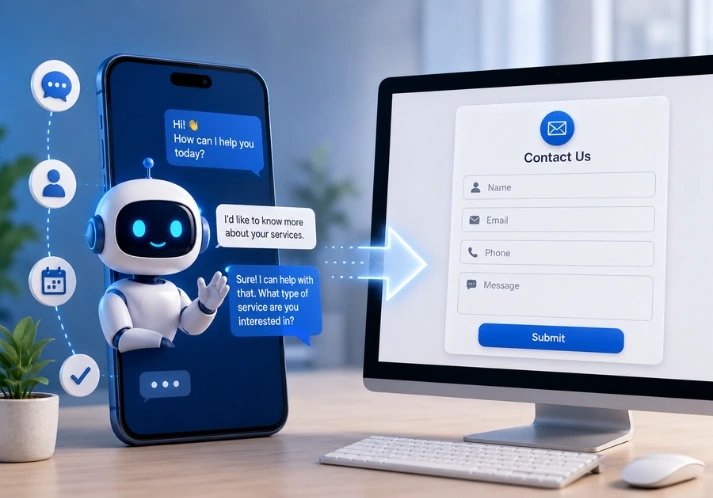
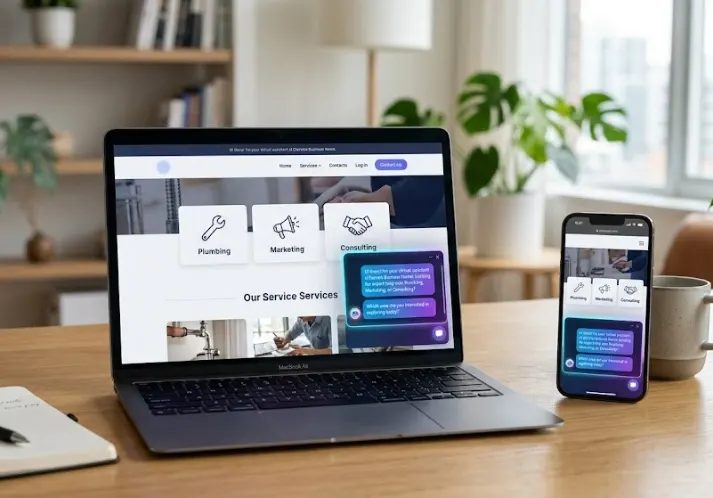
There’s a well-documented drop-off in conversion for every minute a lead waits for a response. AI chat and automated follow-up systems have made instant response the baseline expectation rather than a nice-to-have. That doesn’t mean replacing your sales team with a bot – it means the bot handles the first 30 seconds so a human doesn’t have to be online at 11pm to catch a warm lead. We broke down how this plays out in practice in how AI chatbots are replacing contact forms.
Personalisation is happening at a scale humans can’t match
AI systems can now tailor email sequences, on-site content, and offers to individual behaviour in real time – not just “Hi [First Name]” personalisation, but genuinely different content paths based on what a visitor has actually looked at. Done well, this shortens the path from interest to decision. Done badly, it feels invasive, which is worth keeping in mind before switching everything on at once.
Follow-up and nurture no longer fall through the cracks
A huge share of lost revenue isn’t from bad leads – it’s from good leads nobody followed up with. Automated nurture sequences, triggered by actual behaviour rather than a fixed drip schedule, are closing that gap. If a lead re-visits a pricing page a week after their first enquiry, an AI-triggered follow-up can catch that moment instead of relying on someone remembering to check.
Where the Hype Outpaces the Reality
It’s worth being honest here: not every part of this is a clean win. Fully AI-generated outreach still reads as generic more often than marketers would like to admit, and audiences are getting better at spotting it. Over-automated chat experiences can frustrate people who just want to talk to a person. And AI models are only as good as the data feeding them – a business with messy CRM data or no clear picture of what “qualified” means will get AI-accelerated bad decisions, not good ones.
The businesses seeing real results tend to be disciplined about where AI sits in the process: automation for speed and pattern-matching, humans for judgment calls and relationship-building. That balance matters more than which specific tool you buy.
There’s also a trust cost to getting this wrong. Customers can usually tell within a few messages whether they’re talking to a script or a person paying attention, and a badly tuned chatbot can do more damage to a relationship than no chatbot at all.
The same goes for personalisation – recommending a product someone already bought last week reads as sloppy, not smart. None of this is a reason to avoid AI. It’s a reason to test on a smaller slice of your funnel first, watch what actually happens to conversion and complaint rates, and expand from there rather than switching everything on in one go.
How to Actually Start
You don’t need to overhaul your entire funnel at once. A reasonable starting point:
- Get your CRM and lead data clean and centralised first – AI tools amplify whatever data they’re given, good or bad.
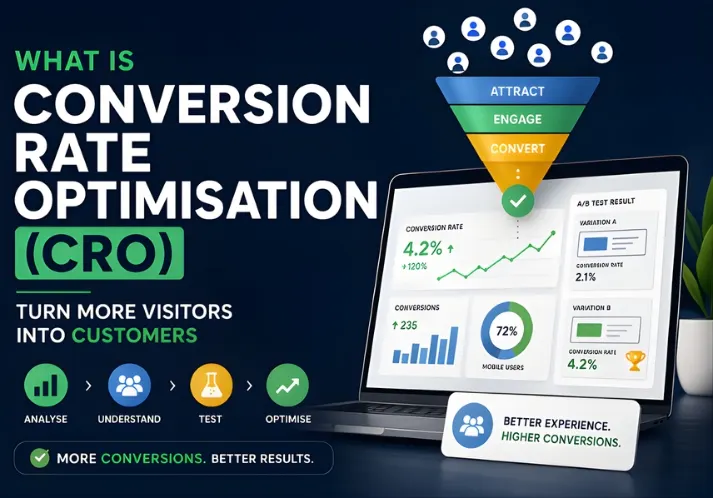
- Add lead scoring before adding more top-of-funnel volume. There’s usually more upside in converting existing traffic better than in generating more of it.
- Automate first response, not the whole conversation. Speed matters more than depth in the first interaction.
- Structure your website and content so AI search tools can actually cite you – clear answers, real data, no fluff.
- Review AI-driven decisions periodically. Models drift, and “set and forget” tends to age badly.
FAQs
What is AI customer acquisition? AI customer acquisition refers to using machine learning and automation – predictive targeting, intent data, generative search optimisation – to identify and reach prospects more accurately than traditional demographic-based marketing.
Does AI actually improve lead conversion, or is it overstated?
The gains are real but uneven. AI-driven lead scoring and faster response times tend to show the clearest, most measurable improvement in conversion rates. Fully automated content and outreach show more mixed results and need human oversight to avoid sounding generic.
Is AI customer acquisition only relevant for large businesses?
No. Small and mid-sized businesses often see faster returns because they’re starting from manual, ad hoc processes – the jump from “no lead scoring” to “basic AI lead scoring” is a bigger leap than for an enterprise that’s refining an already sophisticated system.
How long does it take to see results from AI-driven marketing changes?
Automation improvements, such as faster lead response, are often visible within weeks. Predictive targeting and AI search visibility usually take a few months to show measurable impact, since they depend on data accumulation and content indexing.