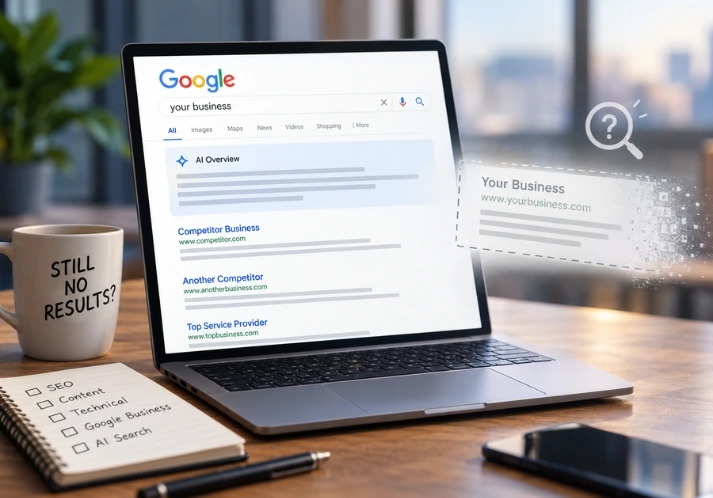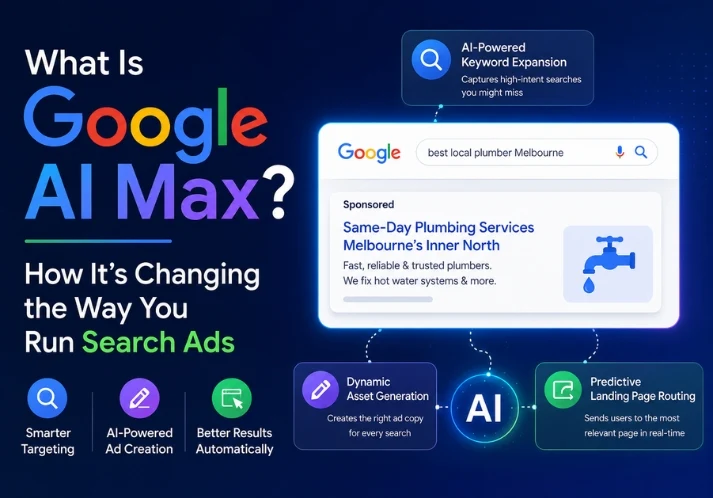
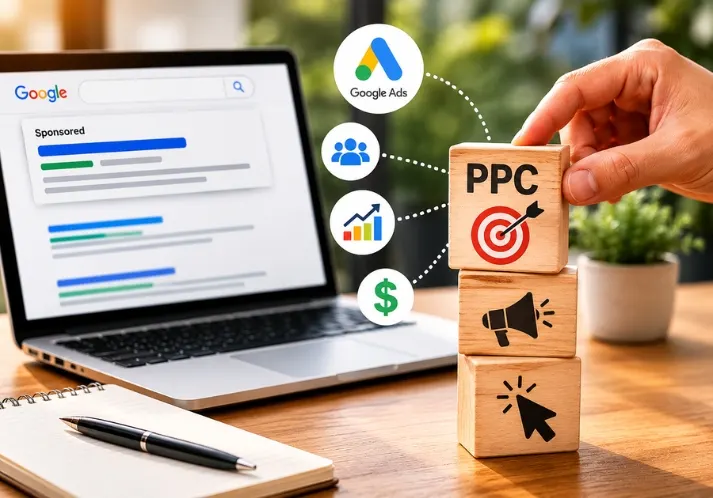
What is PPC advertising? If you’ve typed anything into Google recently and spotted the word “Sponsored” above the search results, you’ve already seen it. Someone paid to be there. And they only got charged because you clicked.
That’s the whole idea in one sentence. But there’s a lot more going on under the hood, and if you’re a business owner thinking about running ads, understanding the mechanics first saves you from some expensive mistakes.
What is PPC advertising and how does the model work?
PPC means pay-per-click. You run an ad, and you pay a fee each time a real person clicks on it. You don’t pay for it to show up. You don’t pay if someone scrolls past it. The charge only happens on the click.
This is different from older advertising formats where you paid upfront for space, whether it worked or not. With pay-per-click, your spend is tied directly to engagement. That’s what makes it attractive for businesses that want to control where their money goes.
The most common platform for this is Google Ads, but the same model runs across Facebook, Instagram, LinkedIn, Microsoft Ads (Bing), and YouTube. Each platform has its own auction, its own audience, and its own strengths.
How the ad auction actually works
Every time someone searches on Google, an auction runs instantly in the background. Advertisers who’ve bid on relevant keywords compete for the available ad slots.
Here’s where a lot of beginners get it wrong – they assume the highest bid always wins. It doesn’t work that way.
Google uses something called a Quality Score alongside your bid. This score looks at three things:
- How closely your ad matches the search term
- Whether your landing page is relevant to what the ad promised
- Your predicted click-through rate based on past performance
A small business with a well-written, highly relevant ad can outrank a larger competitor with a bigger budget but a sloppy campaign. The system rewards relevance, not just spending power.
The Google Ads Quality Score guide explains exactly how this is calculated – worth reading before you set anything up.
Types of paid search and display ads
PPC covers more than just text ads in Google results. Here’s a quick breakdown:
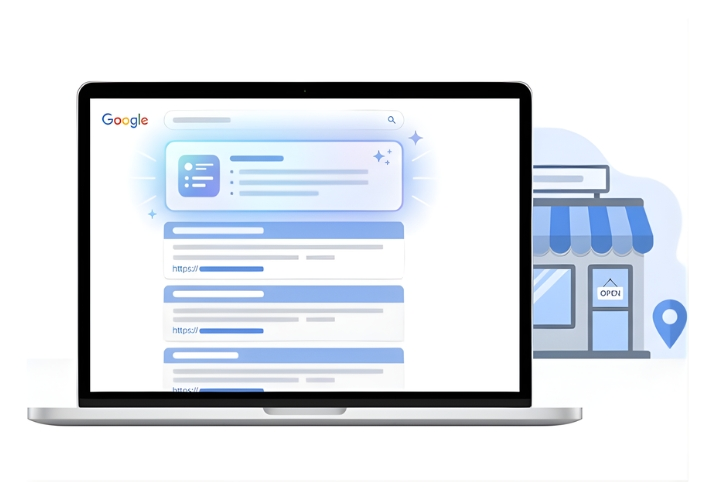
Search ads appear at the top of results pages when someone types a relevant query. These are text-only and show up with a “Sponsored” label. Because the user is already searching for something specific, intent is high – which usually means better conversion rates.
Display ads are image-based banners shown across millions of websites in Google’s network. They’re better for getting your brand in front of people rather than driving immediate sales.
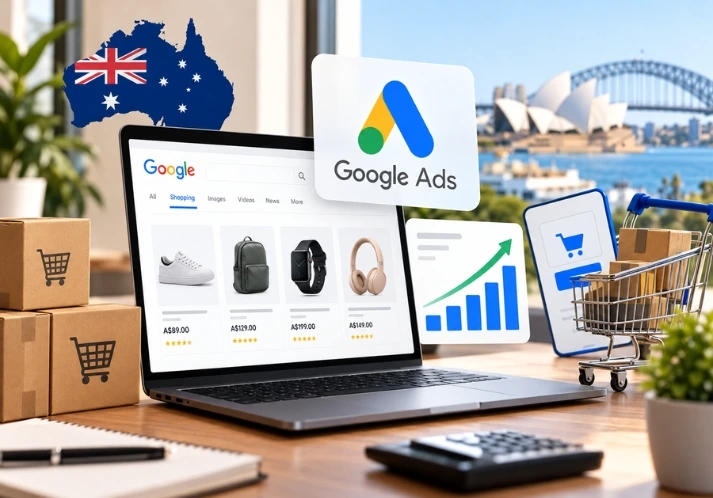
Shopping ads show product images, prices, and your store name directly in results. For e-commerce, these often outperform standard search ads because the buyer can see what they’re getting before they even click.
Video ads run on YouTube before or during other videos. Useful when your product needs more explanation than a few lines of text can offer.
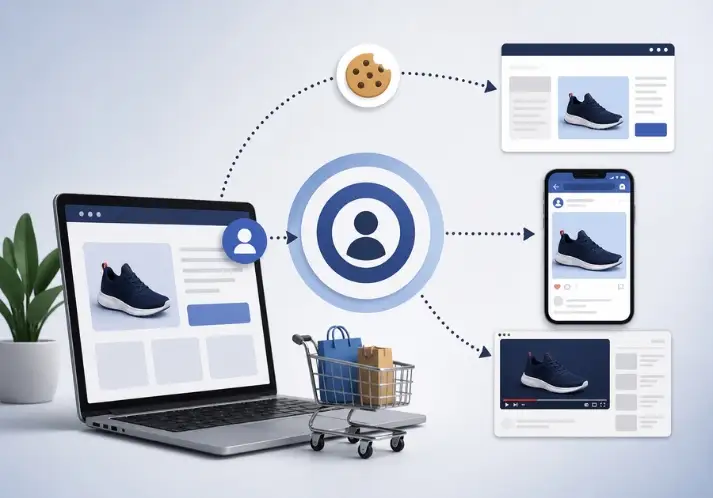
Remarketing ads target people who have already visited your site but didn’t buy or enquire. Conversion rates on remarketing campaigns are usually much higher than cold traffic because you’re reaching someone who’s already shown interest.
Social PPC – Facebook, Instagram, LinkedIn – works on the same pay-per-click model but targets based on user behaviour and demographics rather than search intent.
PPC vs SEO: the honest comparison
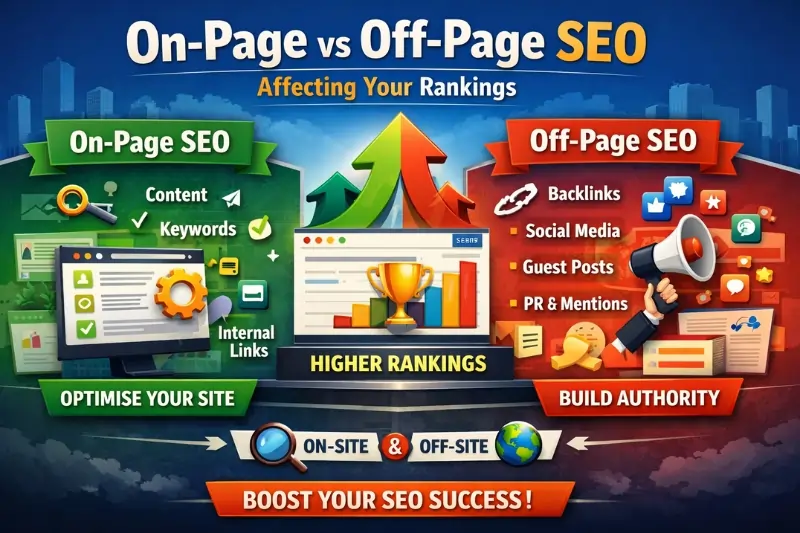
SEO builds rankings in the unpaid section of search results. Done well, it can bring in traffic without ongoing ad costs. The problem is that it takes months, sometimes longer, before you see real movement. And algorithm updates can set you back without warning.
PPC gets you to the top of results the day you launch, if your bid and quality score are good enough. You’re paying for that speed, but it’s traffic you can rely on while SEO is still building.
The mistake is treating them as an either-or choice. They actually work well together. Running PPC while building your organic rankings means you’re not waiting 6 months for traffic. You can also use PPC data – which keywords convert, which don’t – to inform where you focus your SEO effort.
If you’re a newer business, PPC fills the gap that organic search can’t fill yet.
What you need before you launch a campaign
Jumping into Google Ads without preparation is how businesses burn through budgets with nothing to show for it. A few things to sort out first:
- Figure out what you’re measuring. Phone calls? Form submissions? Product purchases? The goal shapes the entire campaign structure.
- Use Google Keyword Planner to check what people are actually searching for and what clicks cost in your industry.
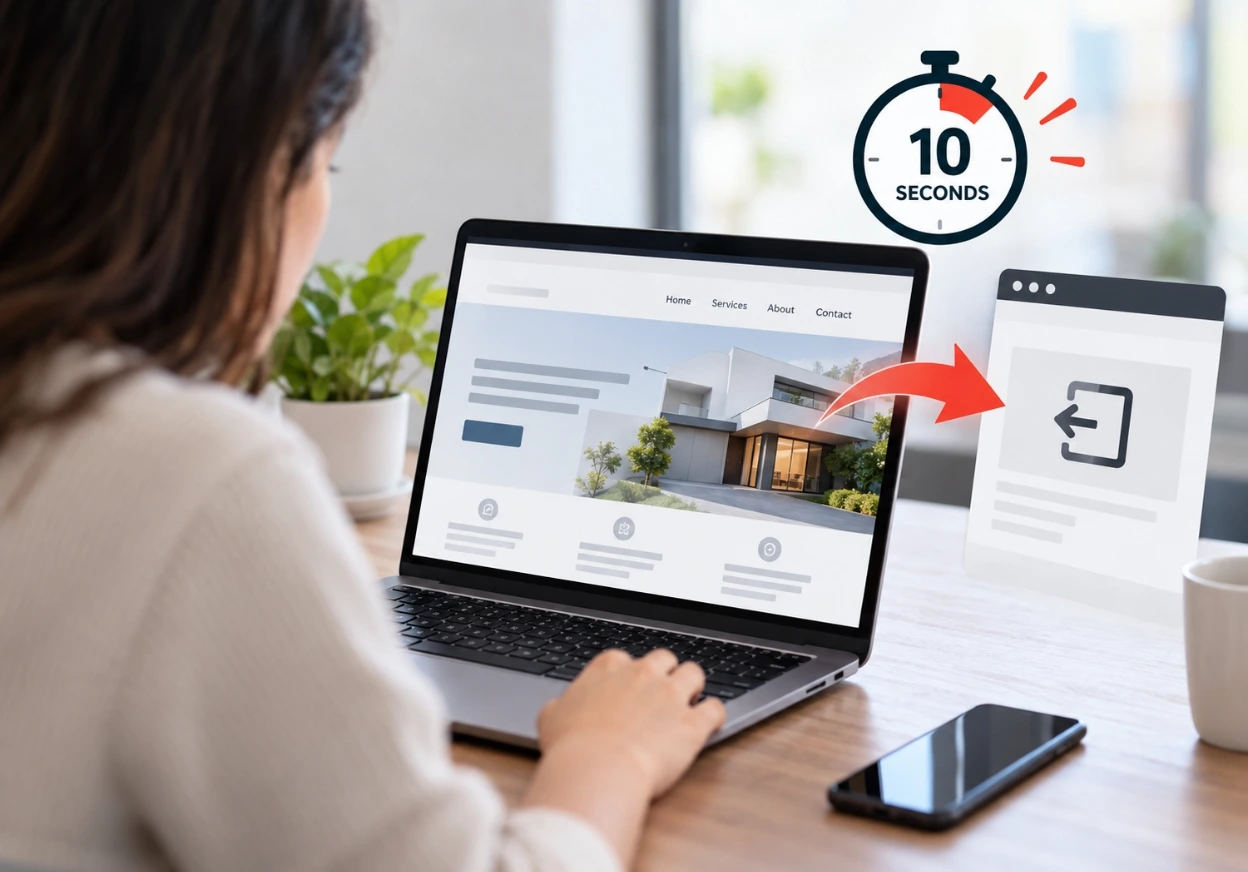
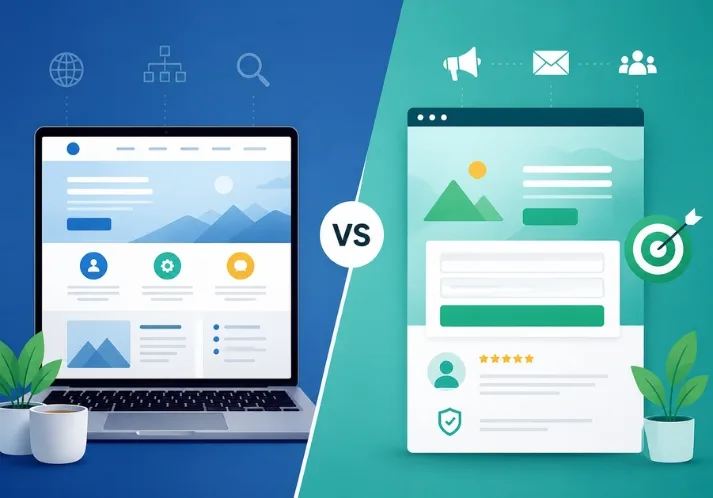
- Build a landing page that matches your ad. If your ad says “affordable accounting services Melbourne” and it sends people to your homepage, most of them will leave. The landing page needs to match the promise.
- Set a budget you’re comfortable spending while learning. For local businesses in Melbourne, starting around $20–$30 a day gives you enough data to see what’s working.
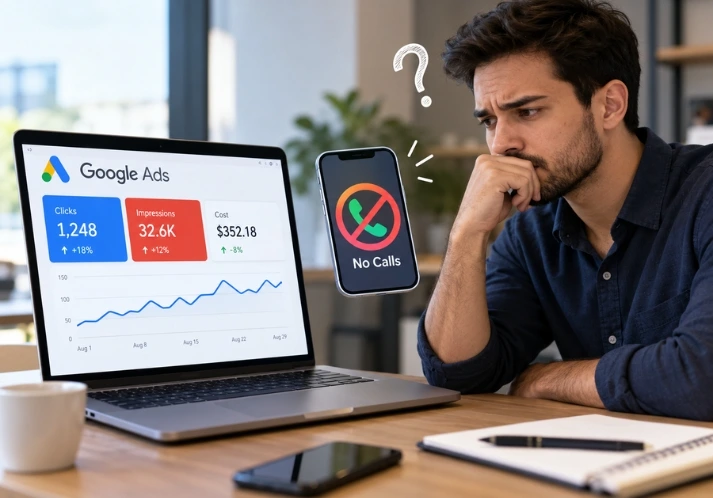
- Set up conversion tracking before your first ad goes live. Without it, you’re guessing which clicks led to anything.
Mistakes that waste ad budget quickly
A few patterns come up repeatedly with first-time PPC campaigns:
No negative keywords: These are the search terms you tell Google to exclude. Without them, your ad for “plumber Melbourne” might show for “plumber apprenticeship Melbourne” – a completely different audience who’ll never hire you.
Sending ad traffic to a generic page: The homepage is designed for everyone. Ad traffic needs a focused page built around one specific action.
Not checking the search terms report: Google shows you the actual words people typed before clicking your ad. Checking this weekly reveals irrelevant traffic and new negative keywords you should be adding.
Ignoring Quality Score: Low quality scores mean you pay more per click than competitors running better ads. It’s worth spending time on the ad copy and landing page before worrying too much about bids.
Scaling too fast: Start with a small set of keywords, see what converts, then expand. Broad campaigns with thin data usually overspend and underdeliver.
What does PPC cost in Australia?
Costs vary a lot by industry. There’s no fixed price – what you pay per click depends on how competitive your market is.
Roughly:
- Local trades and niche services: $1–$4 per click
- Professional services like accounting or real estate: $5–$20 per click
- Legal, finance, and insurance: $25–$80+ per click
High cost-per-click doesn’t mean the channel isn’t worth it. A Melbourne law firm paying $60 per click but converting one in every eight clicks into a client worth thousands is still getting strong returns. The maths only works if you know your numbers – average client value, close rate, and what you can afford to spend per lead.
Is paid search the right fit for your business?
PPC works well for businesses that need results within weeks, not months. It suits local service providers, product-based businesses, and anyone running time-sensitive offers or promotions.
It’s harder to justify when margins are very thin, the sales cycle is extremely long, or there’s no clear way to track what happens after someone clicks. In those cases, the channel can still work, but you need to be realistic about what success looks like and how long it takes to see it.
Running a small test – $300 to $500 over a few weeks – is usually the fastest way to find out whether paid search will work for your specific business. Real data beats any amount of planning.
FAQs
What does PPC stand for?
Pay-per-click. You pay each time someone clicks your ad, not each time it’s shown.
Is PPC only Google Ads?
No. Google Ads is the most popular platform for paid search, but PPC also includes Facebook Ads, Instagram Ads, LinkedIn Ads, Microsoft Advertising, and YouTube Ads. The model is the same across all of them – you pay per click.
How much should a small business spend on PPC?
There’s no universal number. A useful starting point for local businesses is $500–$1,000 per month. That’s enough to gather real data without a huge commitment. How much you actually need depends on your industry and what clicks cost in your area.
How quickly does PPC show results?
Much faster than SEO. Most campaigns start generating clicks within days of launching. You’ll usually have enough data to start making decisions within 2 to 4 weeks.
What’s the difference between CPC and CPA?
CPC (cost per click) is what you pay for each click. CPA (cost per acquisition) is the total cost to turn one of those clicks into a customer or lead. CPA is the number that tells you whether the campaign is profitable.
Do I need someone to manage PPC for me?
You can run basic campaigns yourself, but a poorly set-up campaign costs more than management fees. Once your spending is significant, experienced management usually improves returns and catches problems you’d otherwise miss.
Can PPC and SEO be used together?
Yes, and most businesses benefit from running both. PPC delivers traffic immediately while SEO builds over months. The two strategies complement each other rather than compete.