
Every business owner hits this question eventually: do you go out and chase customers, or do you build something that pulls them in? That’s really what inbound marketing vs outbound marketing comes down to. Neither one is “better” in some universal sense. They solve different problems, cost different amounts, and pay off on different timelines.
We’ve run both for clients across Melbourne over the years, and the honest answer to “which one should I use” is almost always “it depends on how fast you need results and how much runway you’ve got.”
Let’s break down what each approach actually involves, what it costs, and how to figure out which one fits your business right now.
What Is Inbound Marketing?
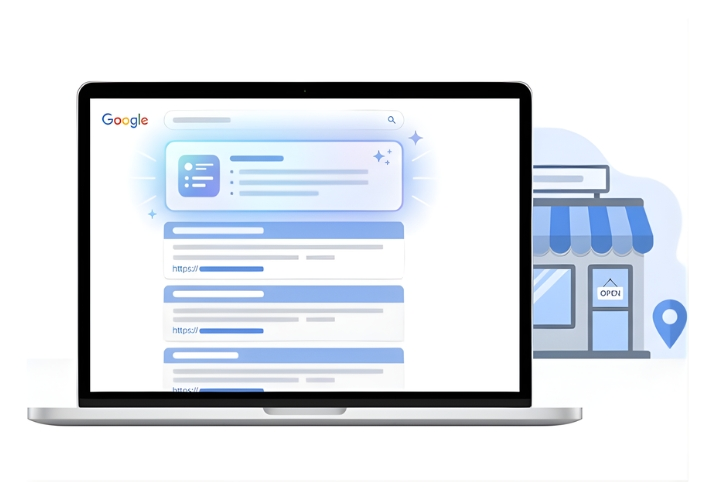
Inbound marketing is the practice of attracting customers by giving them something useful before you ask for anything in return. Blog posts, SEO, email nurture sequences, social content, downloadable guides – the goal is that someone searching for a solution finds you on their own terms.
Think about how you shop for anything these days. You don’t wait for a flyer in the mail. You Google it, read a few reviews, maybe watch a comparison video. Inbound marketing is built for exactly that behaviour. It meets people while they’re already looking.
The catch is time. Inbound rarely produces results overnight. A blog post takes weeks to climb search rankings. An SEO strategy usually needs three to six months before it’s generating consistent traffic, and closer to a year before it’s really humming. But once it’s built, it keeps working. A well-ranked blog post can keep bringing in leads two or three years after you published it, without you spending another dollar on it.
What Is Outbound Marketing?
Outbound marketing is the opposite motion – you go find the customer instead of waiting for them to find you. Cold calls, cold email, direct mail, TV and radio spots, paid ads, trade show booths. It’s push instead of pull.
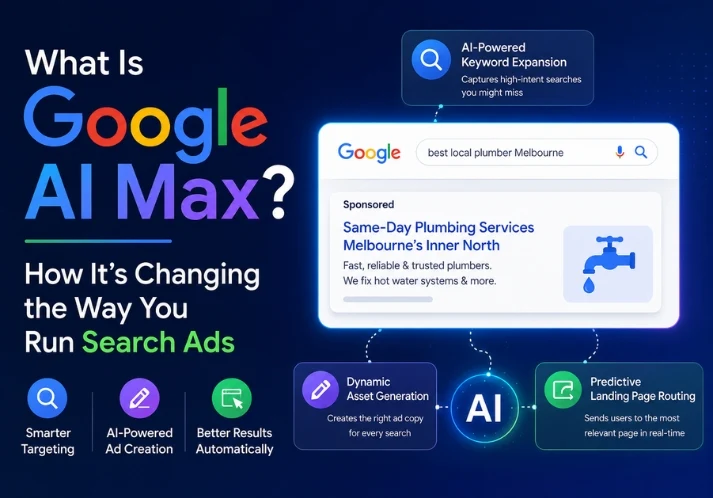
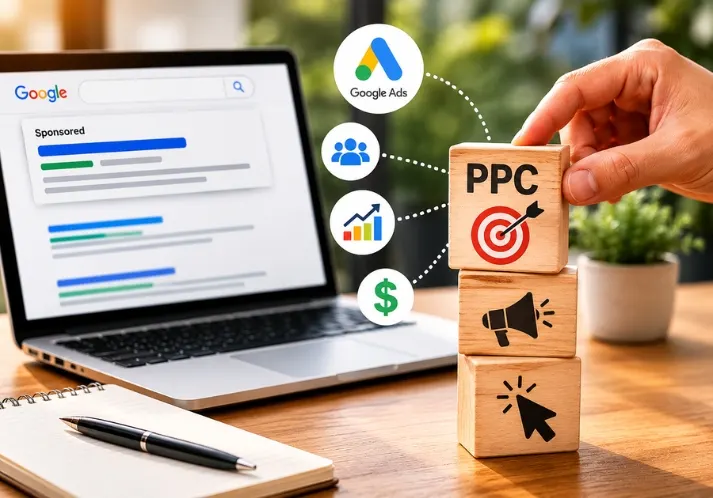
Outbound gets an unfair reputation as “old school,” but that’s not quite right. Paid search and paid social are outbound too, and they’re some of the fastest-moving channels in digital marketing right now. What actually defines outbound isn’t the medium, it’s the direction: you’re interrupting someone’s day to tell them about your business, rather than answering a question they already had.
The upside is speed. Launch a Google Ads campaign today and you can have leads by this afternoon. That immediacy is why outbound still matters, especially for businesses that need revenue this quarter, not next year.
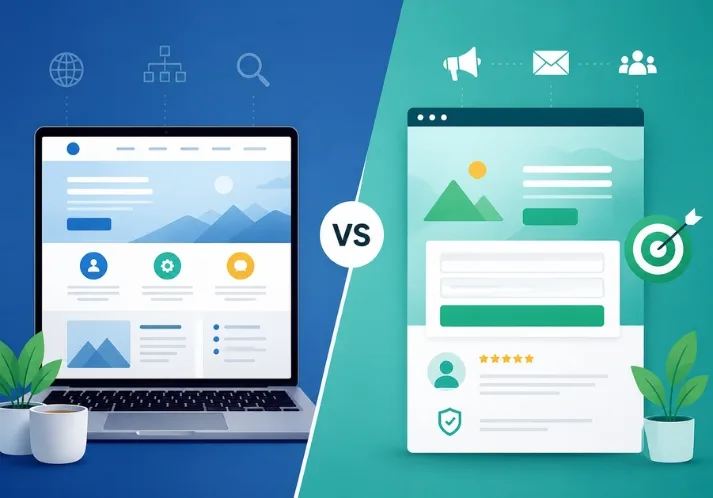
Inbound Marketing vs Outbound Marketing: The Real Differences, Side by Side
| Inbound Marketing | Outbound Marketing | |
| How it works | Customers find you (SEO, content, social) | You find customers (ads, cold outreach, direct mail) |
| Speed to results | Slow build, usually 3–6+ months | Fast, often within days |
| Cost per lead | Lower once established | Higher, ongoing spend required |
| Longevity | Compounds over time | Stops when the spend stops |
| Targeting | Broad reach, self-selected audience | Precise, chosen audience |
| Best for | Long-term brand building, organic traffic | Urgent pipeline, new market entry |
The cost gap is the part that surprises most business owners. Industry data from HubSpot puts inbound lead costs at roughly 60% less than outbound on average. Search-driven leads also tend to close far more often – some reports put SEO-sourced leads closing around 14–15% of the time, against under 2% for cold outbound. That’s a big gap, and it’s part of why so many agencies (us included) lean hard into inbound advice.
But there’s a wrinkle in those numbers that doesn’t get mentioned enough: they usually leave out the upfront cost of building the inbound engine in the first place. Content, SEO work, and conversion infrastructure aren’t free, and none of it pays off until it’s had months to mature. If your business can’t survive that runway, the “inbound is cheaper” stat doesn’t help you much right now.
When Inbound Makes Sense
Inbound tends to be the stronger long-term play if:
- You’re selling something people actively search for (services, products, solutions to a known problem)
- You have the patience – and cash flow – to wait three to six months for traction
- You want leads that arrive already informed and closer to a buying decision
- You’re trying to build a brand that outlasts any single campaign
A local plumber, an accounting firm, an ecommerce store, a SaaS company solving a specific pain point – these all tend to do well with inbound because customers are already typing their problem into Google. The job is showing up with a genuinely useful answer.
When Outbound Makes Sense
Outbound earns its keep when:
- You need pipeline now, not in six months
- You’re entering a brand-new market where nobody’s searching for you yet, because they don’t know you exist
- You’re selling something with a long sales cycle and high deal value, where a well-targeted call or email can shortcut months of discovery
- You have a clearly defined list of ideal customers you can reach directly
Startups launching a new category, B2B companies selling into a narrow list of enterprise accounts, or any business that just signed a big contract and needs leads fast – outbound gets them there quicker, even if each lead costs more.
Why Most Businesses End Up Doing Both
In our experience working with Melbourne businesses across pretty different industries, the “pick one” framing is mostly a false choice. The businesses growing fastest usually run a blend: outbound for the immediate pipeline, inbound compounding quietly in the background so that a year from now they’re not still dependent on ad spend to survive.
A simple version of this looks like: run paid ads and targeted outreach while your SEO and content strategy is being built. By the time the ad budget starts feeling expensive, or a campaign winds down, organic traffic is starting to pick up the slack. Neither channel has to carry the whole business alone.
The ratio shifts depending on your stage. An early business with almost no organic visibility might run 80% outbound while it builds up content and authority. A more established brand with strong rankings might flip that, running mostly inbound with outbound reserved for specific pushes – a new product launch, a seasonal promotion, entry into a new city.
Mistakes We See Businesses Make
A few patterns come up often enough that they’re worth flagging directly.
Judging inbound too early: We’ve had clients call after six weeks asking why the blog isn’t ranking yet. Six weeks is nothing in SEO terms. Google needs time to trust a domain, and a handful of posts won’t outrank competitors who’ve been publishing for years. Inbound needs a runway of months, not weeks, before you can fairly judge whether it’s working.
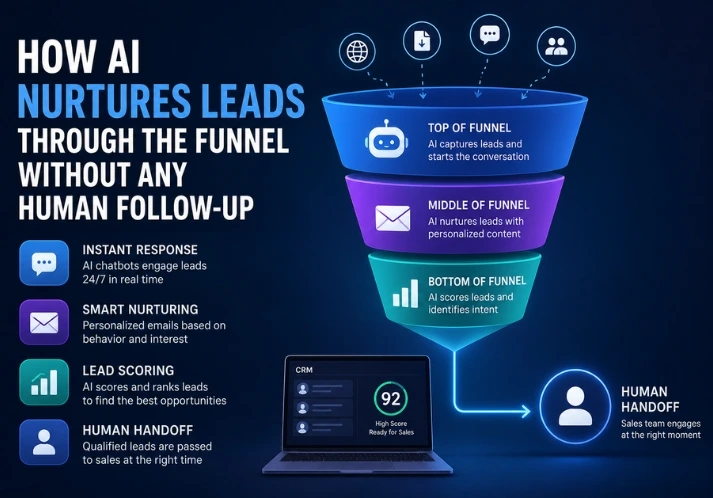
Running outbound with no follow-up system: Cold outreach or paid ads can generate plenty of leads, but if nobody responds within minutes, most of that spend is wasted. Response speed matters more than most businesses realise – a lead that sits in an inbox for a few hours has usually already gone to a competitor. Outbound without a fast, organised follow-up process is just money spent to warm up someone else’s pipeline.
Treating the two channels as competitors instead of teammates: We’ve seen internal arguments over budget where the sales team wants more cold outreach and the marketing team wants more content spend, as if only one can win. In practice, outbound often performs better when it’s backed by content the prospect can check out afterward – a case study, a useful article, proof that the business knows what it’s talking about. Inbound content, in turn, gets stronger when outbound conversations surface the exact questions and objections customers actually have.
Copying a competitor’s channel mix without checking if it fits: What works for a SaaS company with a six-figure ad budget won’t necessarily work for a local trades business, and vice versa. Industry, deal size, and sales cycle all change the right ratio. Look at your own numbers before adopting someone else’s playbook.
How to Decide What’s Right for Your Business
Ask yourself these questions honestly:
- How fast do I need revenue? If it’s this month, lean outbound. If you can wait, inbound will be cheaper long-term.
- What’s my budget for ongoing ad spend versus content investment? Outbound needs continuous fuel. Inbound needs upfront investment that pays off later.
- Are my customers actively searching for what I sell? If yes, inbound has fertile ground. If it’s a newer or less obvious product, you may need outbound to create awareness first.
- What’s my deal size? Higher-value B2B sales often justify the cost of direct outreach. Lower-value, high-volume sales usually favour the efficiency of inbound.
- Do I have the internal resources – or a partner – to build content consistently? Inbound without consistency rarely works. It’s not a one-off campaign; it’s a habit.
There’s no universally correct answer here, and anyone who tells you there is hasn’t actually managed a marketing budget under real constraints. The right mix is the one that matches your cash flow, your patience, and how competitive your market already is.
Where We Land
If you’re building for the next three to five years, inbound marketing is worth the wait – the compounding effect is real, and we’ve watched it change the economics of client accounts once the content library and rankings matured. But we’d never tell a business that needs leads this quarter to just “be patient and blog more.” That’s not useful advice when rent is due.
The smartest approach we’ve seen work, again and again, is running both in a ratio that matches where your business actually is right now, not where you wish it was. At OptiRank, we build that mix for Melbourne businesses every day – SEO and content that compounds, alongside Google Ads and targeted campaigns that keep the pipeline moving while the organic side catches up.
If you’re not sure which mix fits your business, that’s a conversation worth having before you spend another dollar on either.
Have questions about building the right marketing mix for your business? Get in touch with OptiRank for a free consultation.