
Most Australian businesses now pay for some version of marketing automation, whether that’s an email platform, a CRM with workflows bolted on, or a chatbot answering enquiries after hours. Fewer of them could tell you exactly what they’re getting for the money. That gap is where a lot of budget quietly disappears.
Quick answer: In 2026, the marketing automation worth paying for is lead response and follow-up (speed wins deals), CRM workflow automation that actually connects your channels, and AI-driven qualification that filters real buyers from tyre-kickers. What’s rarely worth the invoice: bloated all-in-one suites you’ll use 10% of, generic drip campaigns with no personalisation, and “AI” features that are just rebranded autoresponders.
What Marketing Automation Actually Means Now
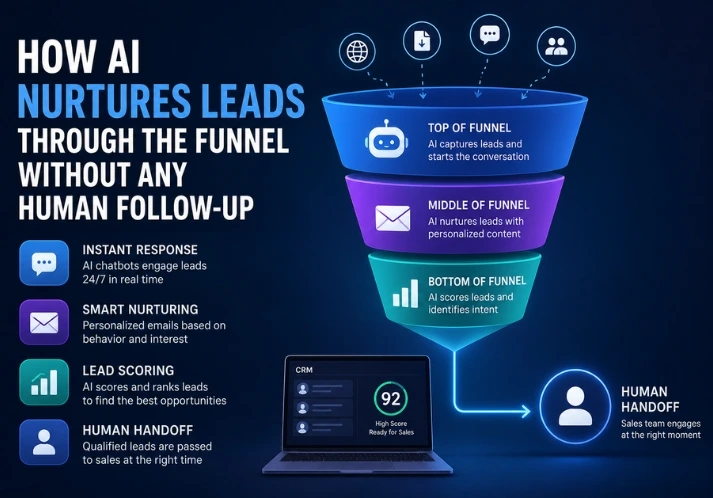
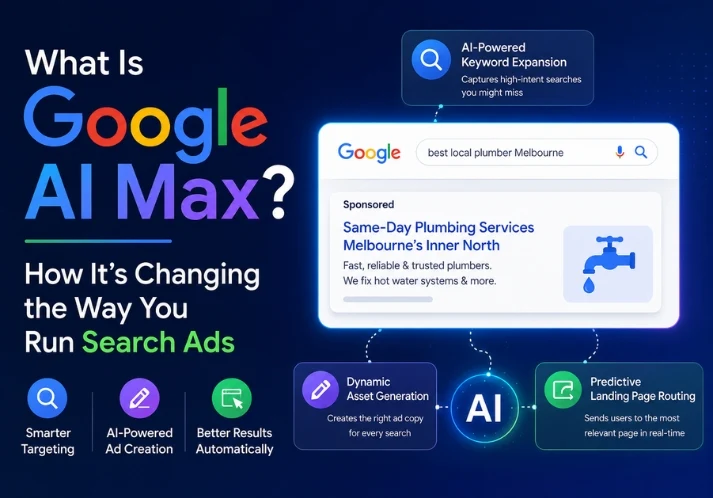
The term gets used loosely. A decade ago it meant scheduled email sequences. Now it covers a much wider set of tools: CRM workflows, SMS and WhatsApp follow-up, chatbots and AI assistants that qualify leads in real time, ad retargeting triggered by on-site behaviour, and reporting dashboards that tie it all together.
The part that’s changed the most isn’t the channel list. It’s speed. A 2024 study widely cited in sales circles found that contacting a lead within five minutes makes it dramatically more likely to convert than waiting even half an hour. Most small businesses in Australia still respond to enquiries the next business day, sometimes later. That single gap is why response-time automation has become the highest-value category in the space, not chatbots for their own sake.
What’s Genuinely Worth Paying For
Instant lead response: If a form submission, missed call, or WhatsApp message sits untouched for hours, you’re losing the deal to whoever replies first, and that’s rarely you. Tools that trigger an immediate SMS, email, or conversational reply the moment someone shows interest pay for themselves quickly. Our own lead response breakdown goes into why this specific window matters more than almost anything else in the funnel.
CRM workflows that connect your actual tools: Automation is only useful if it moves data between the systems you use daily; your website form, your calendar, your invoicing, your ad platform. A workflow that logs a lead in your CRM, books them into a calendar slot, and notifies the right staff member without anyone touching a spreadsheet is worth the monthly fee. A workflow that just sends a “thanks for signing up” email usually isn’t.
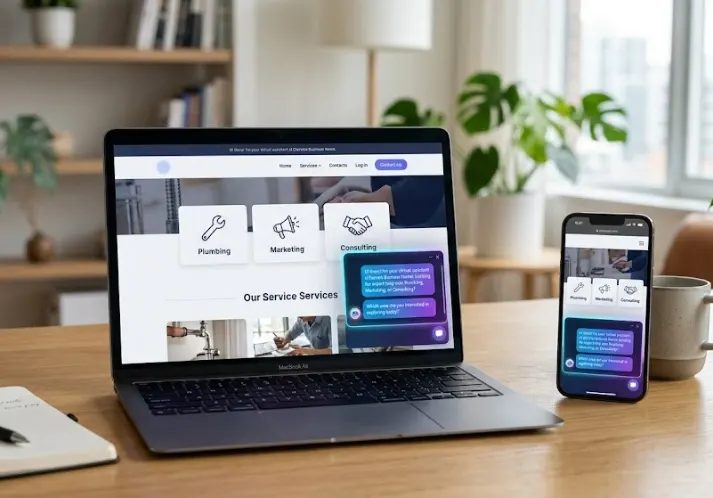
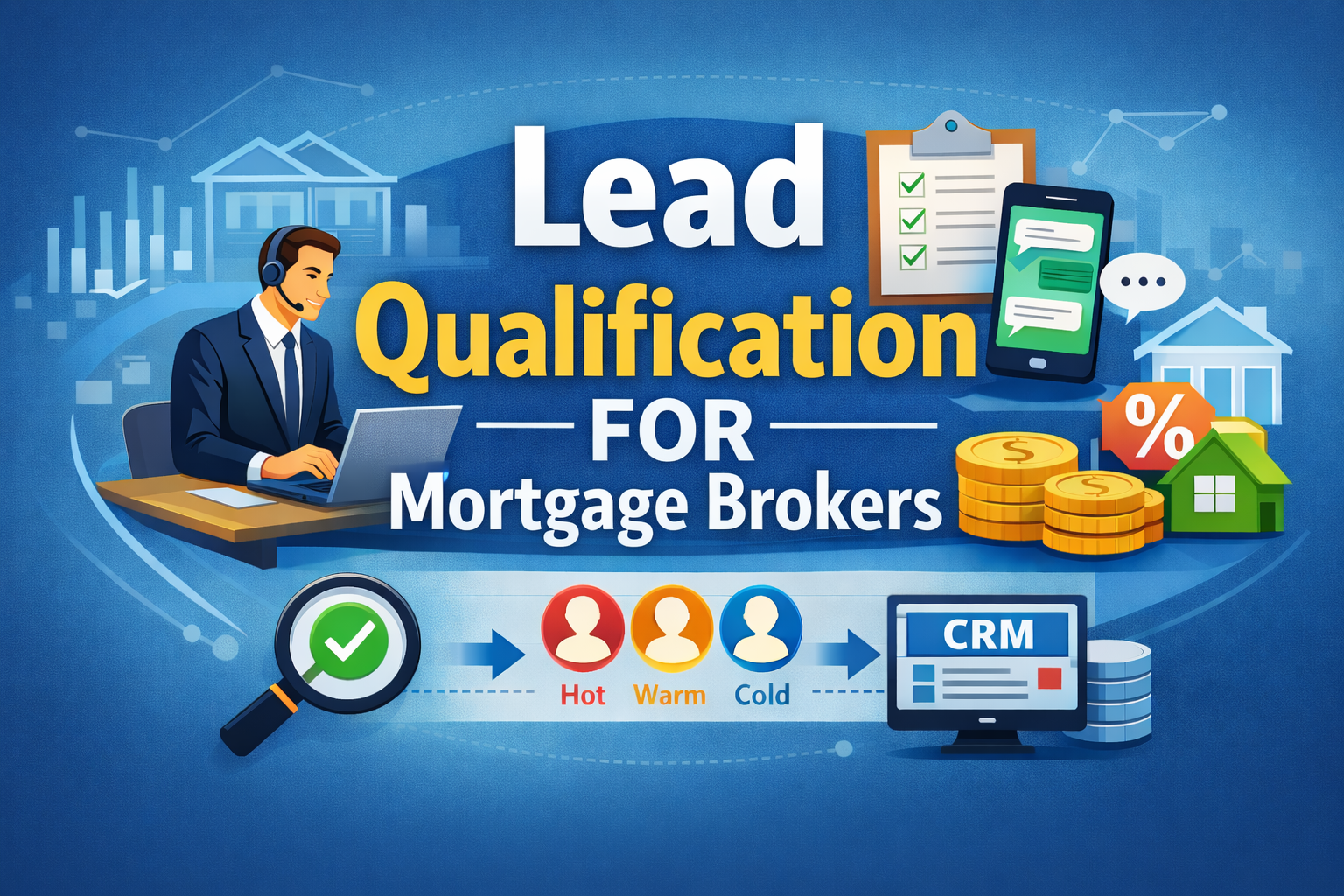
AI qualification, done properly: Not every enquiry deserves a phone call. AI-driven qualification, whether through a chatbot, WhatsApp assistant, or voice bot, can ask the right questions upfront and route only genuine prospects to your sales team. We’ve written before about AI chatbots for lead capture for service businesses specifically, since the return depends heavily on how the conversation is scripted, not just whether a bot exists.
Follow-up sequences with actual branching logic: A basic drip campaign sends the same three emails to everyone. A worthwhile one changes based on what the person clicked, whether they replied, or what they searched for. That branching is where real automation platforms earn their price tag over a free email tool.
Reporting that ties automation to revenue: If a platform can’t show you which automated touchpoint led to a booked job or a closed deal, you’re paying for activity, not results. Look for dashboards that connect the automation layer to your actual sales outcomes, not just open rates and click rates.
What’s Usually Not Worth It
Enterprise all-in-one suites for a small team: Plenty of platforms charge premium prices for hundreds of features built for teams of fifty. If you’re a five-person business, you’ll use a fraction of it and still pay the full licence. A tool matched to your actual team size and workflow beats a bloated suite every time.
Generic, unsegmented email blasts: Sending the same message to your entire list and calling it “automation” isn’t automation, it’s a newsletter with extra software. Segmentation and behavioural triggers are what separate real automation from a mail merge with a subscription fee.
“AI” branding with no actual intelligence behind it: A rule-based autoresponder that says “if form submitted, send email” isn’t AI, no matter what the vendor calls it on the sales page. Ask what’s actually driving the decision-making inside the tool before paying an AI premium for it.
Automation with no human fallback: Fully automated systems that never hand off to a real person frustrate customers with anything slightly outside the script. The better setups automate the repetitive parts and escalate the messy ones, rather than trying to automate everything end to end.
Long lock-in contracts on unproven tools: Twelve-month commitments make sense once a platform’s already shown results for your business. They make far less sense as the entry point, before anyone’s confirmed the tool fits how you actually sell.
What This Costs in Australia
Pricing varies more here than in most categories of digital marketing, mostly because “marketing automation” covers such different scopes of work. A basic CRM automation setup for a small business typically runs somewhere between $500 and $2,000 a month, including platform costs and ongoing management. AI-driven lead response and chatbot systems, built and tuned properly rather than templated, tend to sit higher, often $1,500 to $4,000 a month depending on the number of channels and how much custom logic is involved. Anyone quoting a flat, low fee for a “complete AI automation system” across every channel is probably reselling a generic template, not building something specific to your business.
DIY Platform or a Managed Automation Partner?
Plenty of business owners start by signing up for a platform themselves, a CRM, an email tool, maybe a chatbot builder, and try to wire it together on weekends. That works fine for the first few automations. It tends to fall apart once you need branching logic across three or four channels, or when the person who built it leaves and nobody else understands the setup.
A managed partner costs more upfront but usually earns that back in fewer broken workflows and faster fixes when something changes: a new product line, a different sales process, an extra location. The honest way to decide is by volume. If you’re handling under twenty leads a week, a well-configured off-the-shelf tool is probably enough. Past that, the time spent maintaining it yourself starts costing more than paying someone who already knows the platform.
How to Tell If a Provider Knows What They’re Doing
Ask them to describe a workflow they’ve built for a business similar to yours, in specific terms: what triggered it, what happened at each step, what result it produced. Vague answers about “streamlining your funnel” are a warning sign. A provider who’s actually done this work will talk about specific tools, specific integrations, and specific numbers.
Ask how they measure success. If the answer is open rates and click rates rather than booked calls, qualified leads, or closed revenue, the automation isn’t tied to anything that matters to your business.
Ask what happens when the automation gets something wrong, misroutes a lead, sends the wrong follow-up, or a chatbot gives a bad answer. Every automated system fails occasionally. What matters is whether there’s a human checking in and a process for fixing it.
Ask for access to your own data and dashboards. If a provider wants to keep the automation logic and reporting locked inside their own account with no visibility for you, that’s not a partnership, it’s dependency by design.
The Australian Context Specifically
Local providers understand a few things generic overseas platforms don’t always account for: Australian business hours and time zones for lead follow-up, local compliance requirements like the Spam Act 2003 for email and SMS marketing, and the channels Australians actually respond to, which increasingly means WhatsApp and SMS rather than email alone for time-sensitive enquiries. That’s part of why a locally built or locally managed automation setup, even on an international platform, tends to outperform an off-the-shelf international template.
At OptiRank, this is the gap our AI automation work tends to fill: connecting CRM workflows, instant lead response, and AI-driven qualification for Melbourne and Australia-wide businesses, rather than selling a one-size-fits-all package. Our own assistant, OptiSara, is built around exactly the lead-response problem covered above; the point isn’t the AI badge, it’s whether a lead gets a reply in minutes instead of days.
Frequently Asked Questions
Is marketing automation worth it for a small business?
Yes, for the categories that touch response speed and lead qualification directly. It’s less worth it if you’re buying a large platform for features you’ll never use. Match the tool to your actual volume of enquiries, not the vendor’s biggest package.
How much should I budget for marketing automation in Australia?
Most small-to-medium businesses spend between $500 and $4,000 a month, depending on whether it’s basic CRM workflows or a fuller AI-driven lead response and qualification system.
What’s the difference between marketing automation and AI automation?
Marketing automation traditionally means scheduled or triggered campaigns, like email sequences and ad retargeting. AI automation adds real-time decision-making, such as a chatbot qualifying a lead or an assistant deciding how to route an enquiry based on what was actually said, not just a fixed rule.
Do I need a CRM before I invest in automation?
Generally yes. Automation without a central place to store and act on lead data tends to create disconnected point solutions rather than one working system.
Can automation replace my sales team?
No, and providers claiming otherwise are overselling it. The better automation setups handle the repetitive first response and qualification, then hand a warm, ready lead to a person for the conversation that actually closes it.