
There’s a number most sales teams ignore: five.
Not five clients, not five stages in a funnel. Five minutes. That’s the difference between a lead that converts and one that disappears.
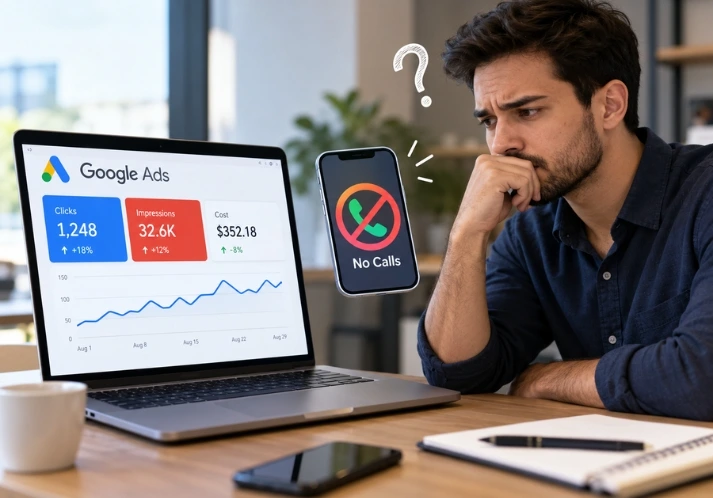
We’ve worked with businesses across Melbourne that had solid traffic, decent Google Ads results, and pages ranking well in search. But their conversion rates were disappointing. When we looked at their CRM data, the issue was almost always the same – leads submitted at 2 PM were getting their first call at 4 PM, if they were lucky. Some weren’t followed up on until the next morning. By then, those people had already moved on.
This isn’t a marketing problem. It’s a timing problem. And the fix is very different.
What the Research Says About Lead Response Time
A study from MIT looked at how response speed affected lead qualification rates across thousands of web enquiries. Companies that called back within five minutes were 100 times more likely to reach and qualify a lead than those who waited 30 minutes. A separate Harvard Business Review report found that businesses responding to inbound leads within an hour were nearly seven times more likely to have a meaningful conversation than those who waited just 60 minutes longer.
These numbers are more than a decade old, and yet most businesses still haven’t changed their behaviour. If anything, the stakes are higher now. Consumers compare more options, move faster, and have less patience than they did when those studies were published. The five-minute window hasn’t changed – but the cost of missing it keeps going up.
Here’s the practical reality: when someone submits a form or sends an enquiry, they’re in a window of high intent. They’ve done some research. They’ve found you. They’ve taken action. That doesn’t last long.
Why Most Businesses Miss That Window
It’s not that owners and sales managers don’t understand the value of speed. The problem is that hitting a five-minute response time is nearly impossible without automation. During business hours, your team is on calls, in meetings, or buried in their inbox. After hours, nobody’s there at all.
Think about what actually happens. A potential client submits a form on your website at 9:20 PM. Your team picks it up at 8:45 AM the next morning. That’s eleven hours. Even on a weekday at 2 PM, if your only salesperson is on another call, that form submission might sit for 45 minutes before anyone notices it.
By then, two things have probably happened. First, the prospect has either moved on emotionally or contacted a competitor. Second, even if they are still available, the energy they had when they submitted that form is gone. You’re not resuming momentum – you’re trying to rebuild it from scratch. That’s a harder conversation, and it closes less often.
The Psychology Behind the Five-Minute Rule
When someone fills out a form, they’re at what you might call a peak intent moment. They’ve decided, at least provisionally, that they want to know more. The act of submitting the form is an emotional commitment, however small.
A fast response validates that. It tells the prospect: “You made a good call. We’re paying attention.” It also removes the uncertainty that often kills leads – people wonder whether their message was even received, whether the company is responsive, whether they’ll have to chase someone down. A fast, personalised reply answers all of that before doubt has a chance to settle in.
A slow response does something different. Even if your follow-up message is excellent, you’re now fighting the question of why it took so long. The prospect’s guard is up. They’ve had time to think, reconsider, and look at your competitors. You’re starting from a weaker position than you need to be.
This is also why auto-replies that say “Thanks for your message, we’ll be in touch soon” don’t solve the problem. They acknowledge receipt, but they don’t move the conversation forward. They don’t answer questions or create any next step. They’re better than nothing, but not by much.
How AI Fixes the Timing Problem
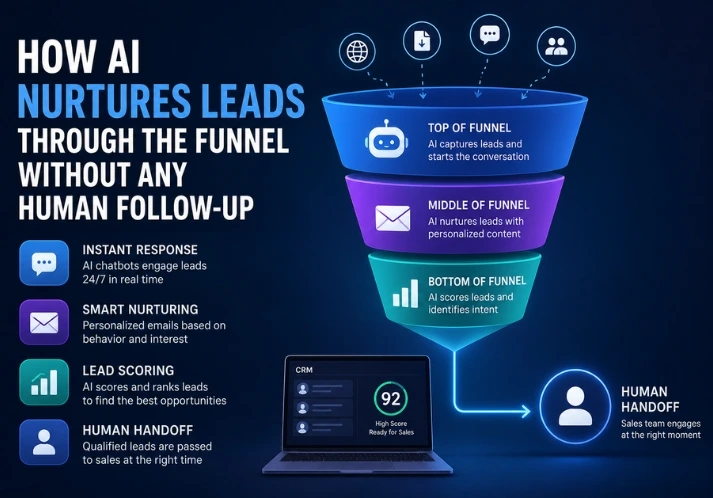
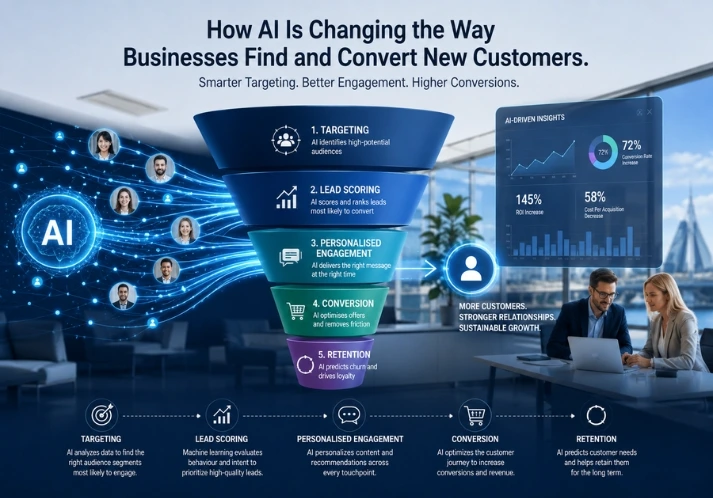
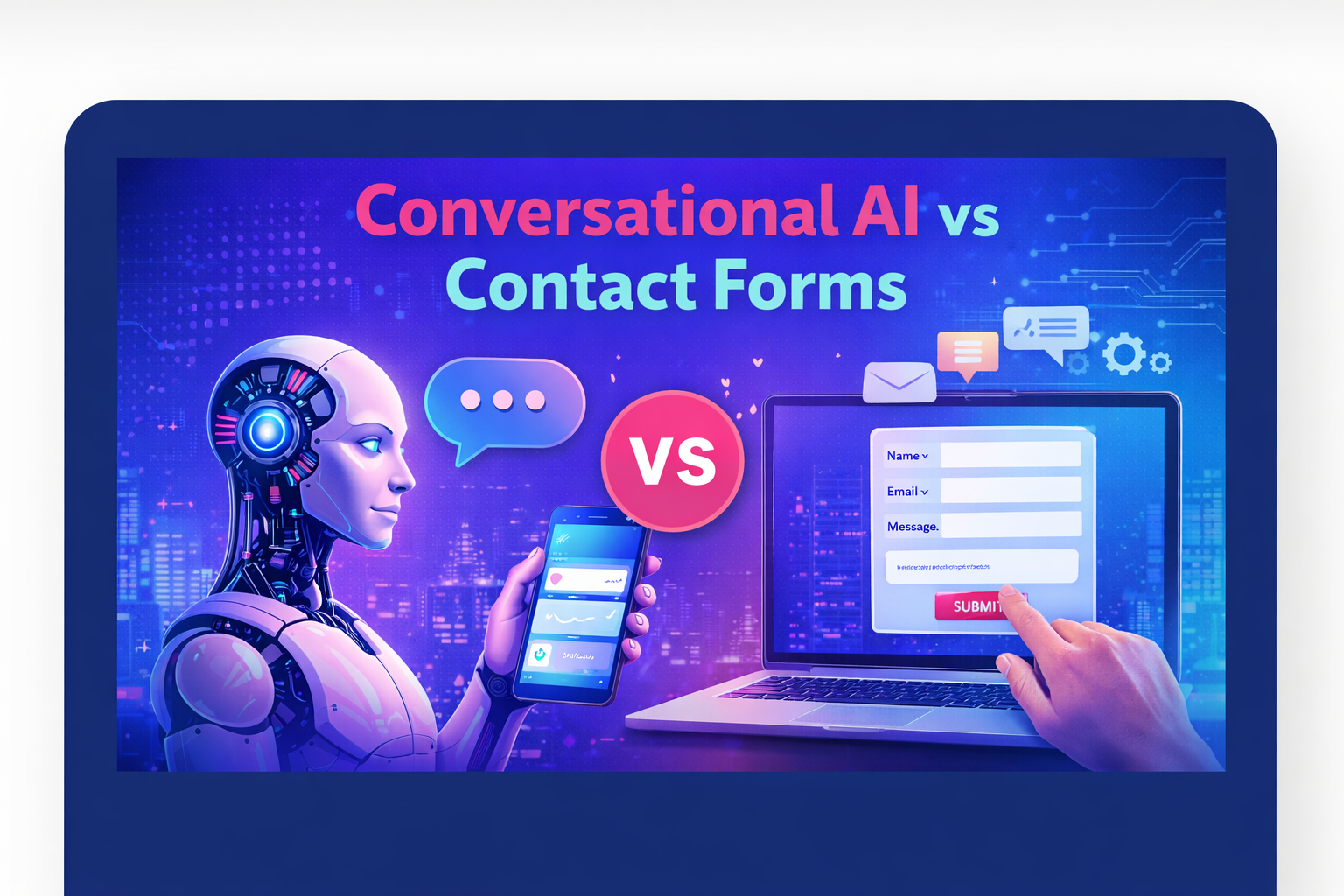
AI-powered lead response tools change this at a structural level. Instead of relying on a human to be available at the right moment, the AI responds within seconds – every time, regardless of when the lead comes in.
Here’s what that looks like in practice.
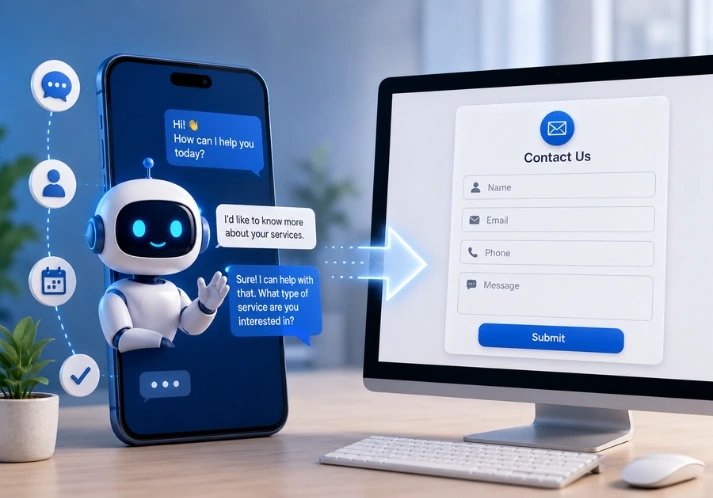
A prospect submits a form at 11:15 PM asking about your services. Within 30 seconds, they receive a response. Not a generic thank-you, but a reply that acknowledges what they asked, addresses their initial question, and asks a follow-up to understand their timeline and needs. While your team is asleep, that lead has already been moved forward in your pipeline.
By the time your salesperson arrives at 9 AM, they’re not looking at a cold form submission. They’re picking up an ongoing conversation with a lead who has already been qualified. The hard part has been done.
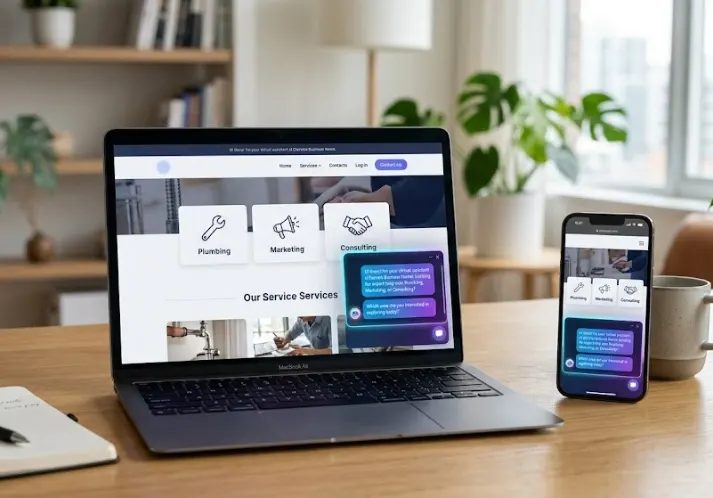
At Optirank, this is exactly what OptiSara does. It’s our AI assistant built specifically for businesses that can’t afford to miss leads, which, practically speaking, is every business. OptiSara connects to your website, your CRM, and your messaging channels, and responds to new enquiries around the clock. It qualifies leads through conversation, captures the information your sales team needs, and hands off cleanly when a human needs to take over.
What Slow Response Is Actually Costing You
Put concrete numbers to it.
Say your business brings in 80 leads per month from organic search and Google Ads. You close 12 of them, so your conversion rate sits around 15%. If slow lead response time is causing even 20% of your leads to drop off before you’ve had a real conversation, you’re losing roughly 16 prospects before the sales process even starts.
At an average deal value of $1,800, that’s $28,800 per month in missed revenue. Not because of weak marketing. Not because of bad service. Because no one replied fast enough.
Recover even half of those leads with an immediate AI response, and you’ve added roughly $14,000 to your monthly revenue from the same traffic budget. That’s the business case for fixing your lead response time.
What to Look for in an AI Response Tool
Not every AI chatbot or automation tool is going to solve this problem. A few things worth checking before committing:
Personalisation: The response needs to reference what the lead actually asked about – which service, which product, which problem. Generic replies still lose people.
CRM integration: If the AI isn’t logging activity in your existing system, you’re creating more admin work, not less. Every conversation should land in your pipeline automatically.
Handoff quality: When the AI qualifies a lead and passes it to your sales team, that transition should be seamless. Your rep should be picking up a warm conversation, not starting from scratch.
Channel coverage: Leads come through forms, live chat, email, Facebook Messenger, and WhatsApp. If your tool only covers one channel, you’re still missing leads on the others.
After-hours capability: This is the whole point. If the AI only operates during business hours, you’ve solved the wrong problem.
Why This Particularly Matters in Melbourne’s Market
Melbourne’s professional services market is competitive across almost every sector – trades, finance, legal, healthcare, property and education. Most businesses are bidding for the same high-intent traffic from the same search queries.
When two plumbers, two mortgage brokers, or two marketing agencies look roughly comparable in terms of credentials and reviews, the one that responds first wins the conversation. Not always. But in most cases, yes.
Research from lead analytics companies consistently shows that the first business to make contact is 35 to 50% more likely to close the deal. That’s not a marginal edge. That’s a structural advantage – and it’s available to any business willing to build the system to claim it.
Where to Start
If your business is generating leads but not converting them at the rate your traffic would suggest, lead response time is worth investigating before you spend another dollar on advertising.
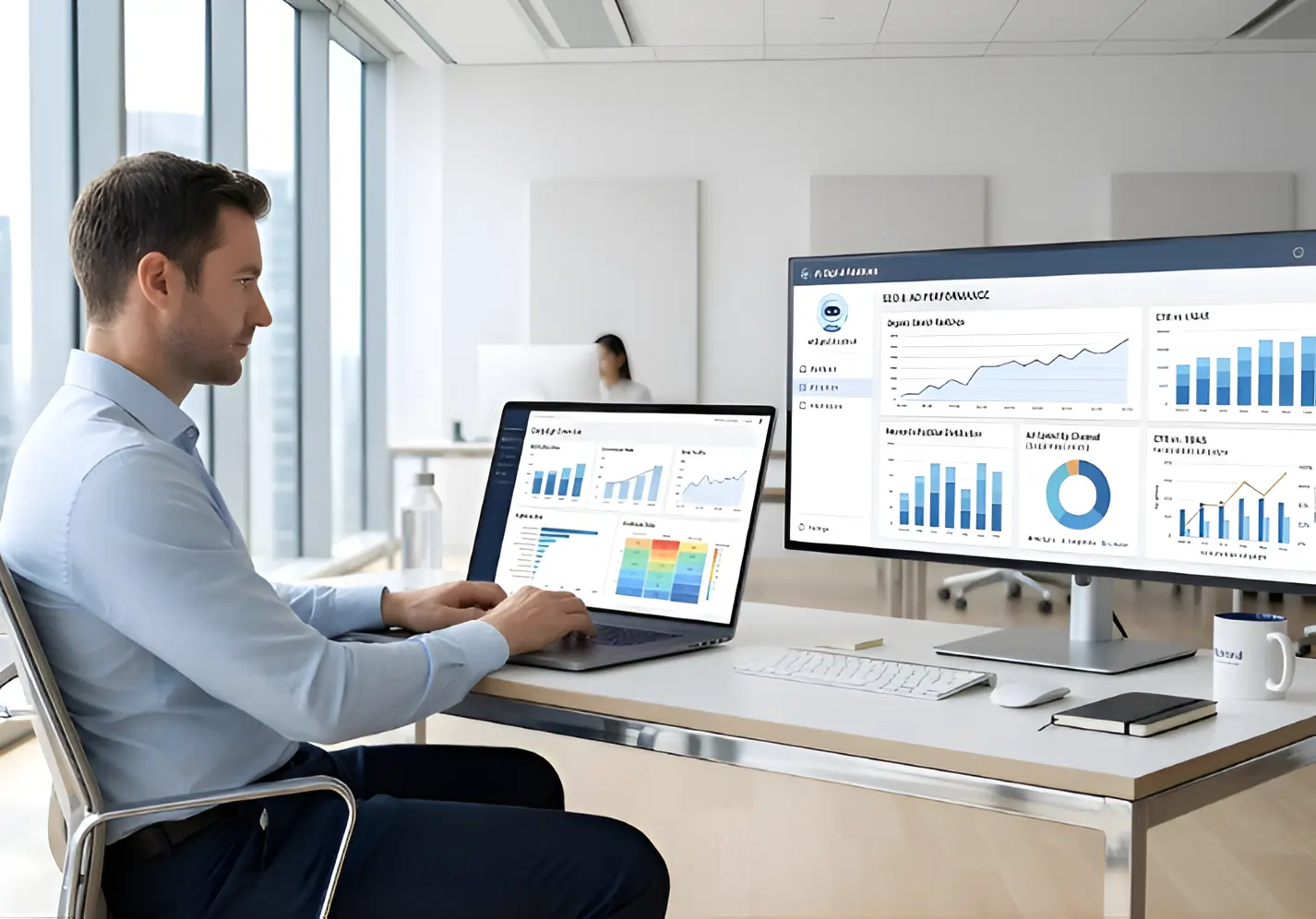
Pull your CRM data and look at the average gap between form submission and first contact. If that number is over 30 minutes, you’ve found the leak. If it’s over an hour, the cost is high. If you don’t have a CRM that tracks this, that’s a separate problem worth solving at the same time.
The fix doesn’t take months. A properly configured AI response system can be running within a few days, and the impact on lead conversion is usually visible within the first couple of weeks.
Optirank helps Melbourne businesses close this gap. OptiSara is already working for clients in trades, professional services, education, and finance – responding to enquiries instantly, qualifying leads through conversation, and handing them off to human teams who are ready to close.
If you want to see how it works for your setup, book a free consultation. We’ll look at where leads are falling through and what it would take to tighten that up.