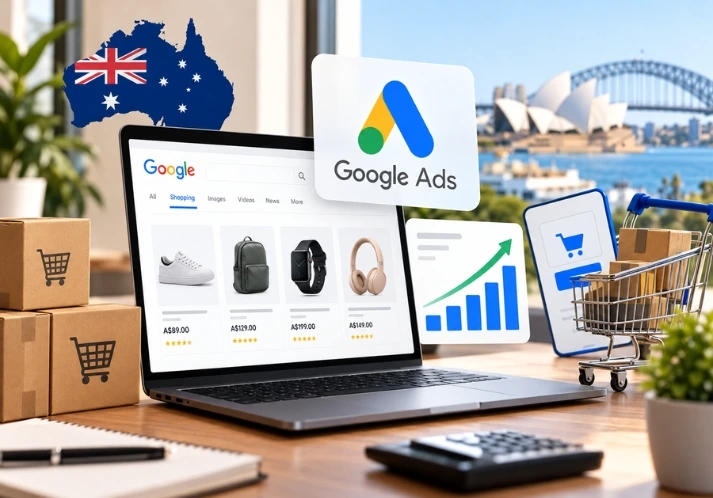

Are you managing a website or planning to launch a business online? Then you surely came across the topic: SEO vs. Google Ads – which one is more powerful? Others affirm that SEO is the only clever thing to do. People say that Google Ads are quicker to get cash. And frankly, the two sound believable.
Instead of complicating it, Let’s break it down and make it easy to understand. Suppose you establish a small business in your town.
There are two methods of acquiring customers:
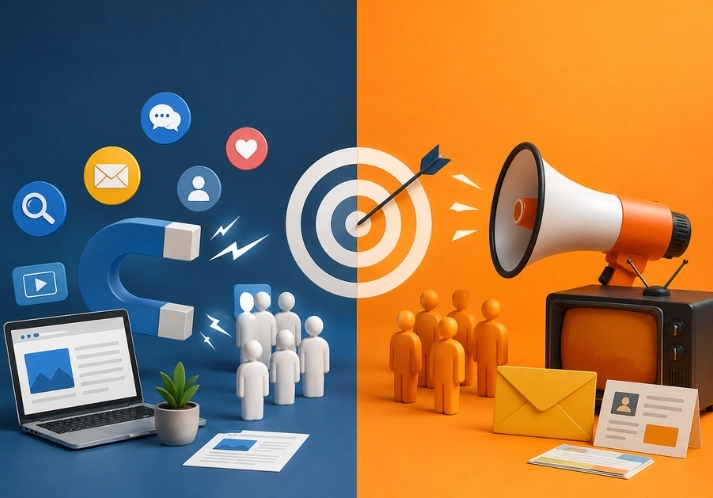
- Gradually build a following so people develop trust in you and feel confident returning to your services.
- Hire big banners and posters so that no one will pass by without noticing you.
The distinction between SEO and Google Ads is that, basically, the former is free. Both can grow your business. Both can bring customers. And yet they are not used the same way, and the best decision to make is based on what is required within your business at the given time.
The Basic Difference between SEO and Google Ads
At first glance, SEO and Google Ads might seem the same, since both drive traffic to your website. However, the manner in which they operate, the outcomes they provide and the lasting effects are largely different.
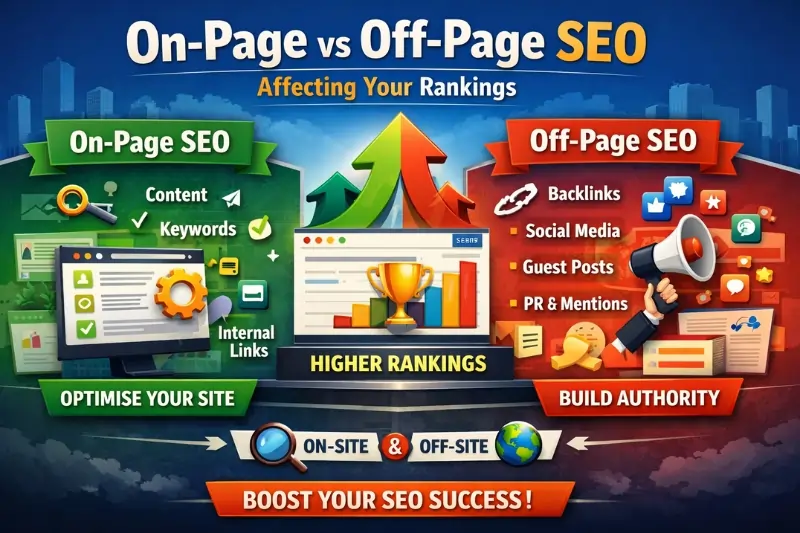
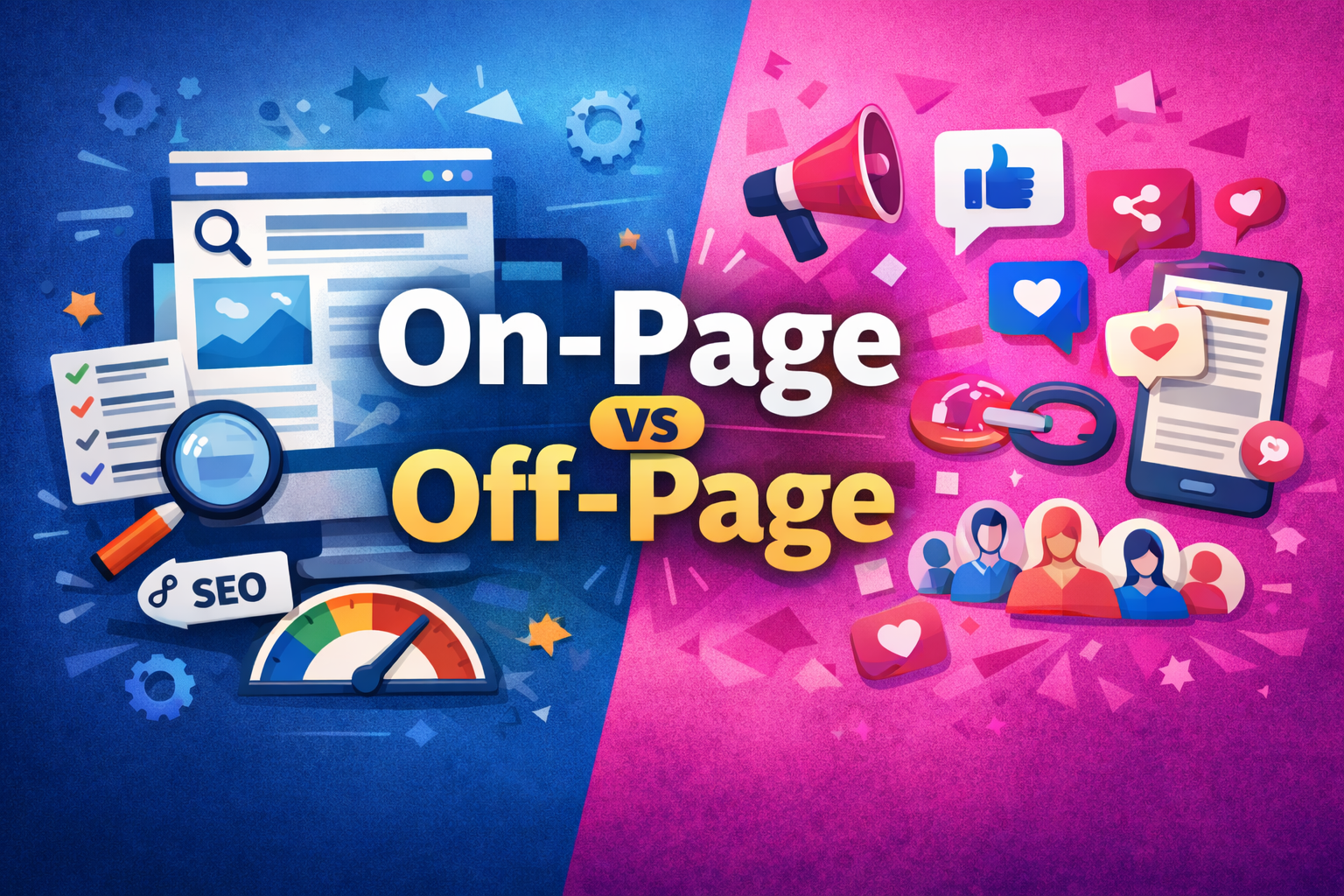
An organic strategy is known as ‘SEO’ (search engine optimisation). It is all about gaining popularity over time. Under SEO, your site slowly gains authority, credibility, and regular traffic. Search engines identify your site as important, valuable, and reliable.
While Google Ads is a paid strategy. You buy exposure by placing a bid to appear at the top of search results or within the system of advertising on Google. Though this can provide you some instant results, as soon as your budget is depleted, so are your results.
What Does SEO Really Mean?
Search engine optimisation is referred to as ‘SEO’. But forget the fancy words. SEO is just a process of making your site show up naturally on Google when someone is searching for something related to your business.
For example, when one searches for the best hair care routine for dry hair and your site appears on the first page without you having to spend on advertisements, then that is SEO at work.
You don’t pay for every click. Instead, your SEO is not just about being ranked on Google but also developing an online site and material that is:
- Helpful – Address actual problems and answer the questions that your audience is determined to know.
- Interacting – Make people read and use your site.
- Credible – Demonstrate competence, power, and credibility in your area of interest.
When done right, SEO turns your site into a long-term asset that continually generates traffic and leads without additional cost per visitor. Over time, search engines begin to recognise your site as useful and trustworthy. And when that happens, your website starts ranking high.
One of the reasons why SEO is viewed by many individuals as a long-term growth strategy. It takes time, but it builds something substantial.
The Real Process of Google Ads
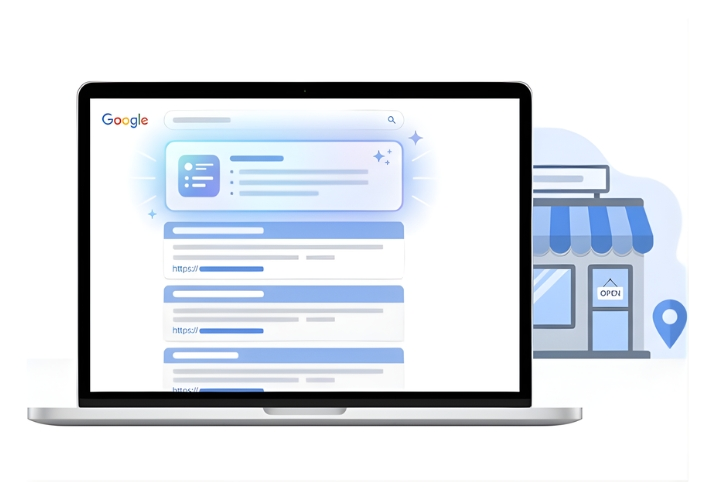
Now we can speak about Google Ads. You know when you type something to search on the first page, some results are marked with ‘Ad’ at the top – that is Google Ads. It is easy: you select keywords. You create an ad. You set a budget. You pay when someone clicks. This type of advertising has been termed Pay-Per-Click (PPC). The actual distinction between SEO and Google Ads is, the following:
Through SEO, you gain your traffic. Using Google Ads, you purchase your traffic. Nothing is wrong with either way, they simply have different functions.
Speed: Do You Need Results Now?
Google Ads is faster in case you require traffic urgently; perhaps you have a new product in the market, and you require leads within the month. Today, you can establish a campaign, and you can have a visitor in a matter of hours.
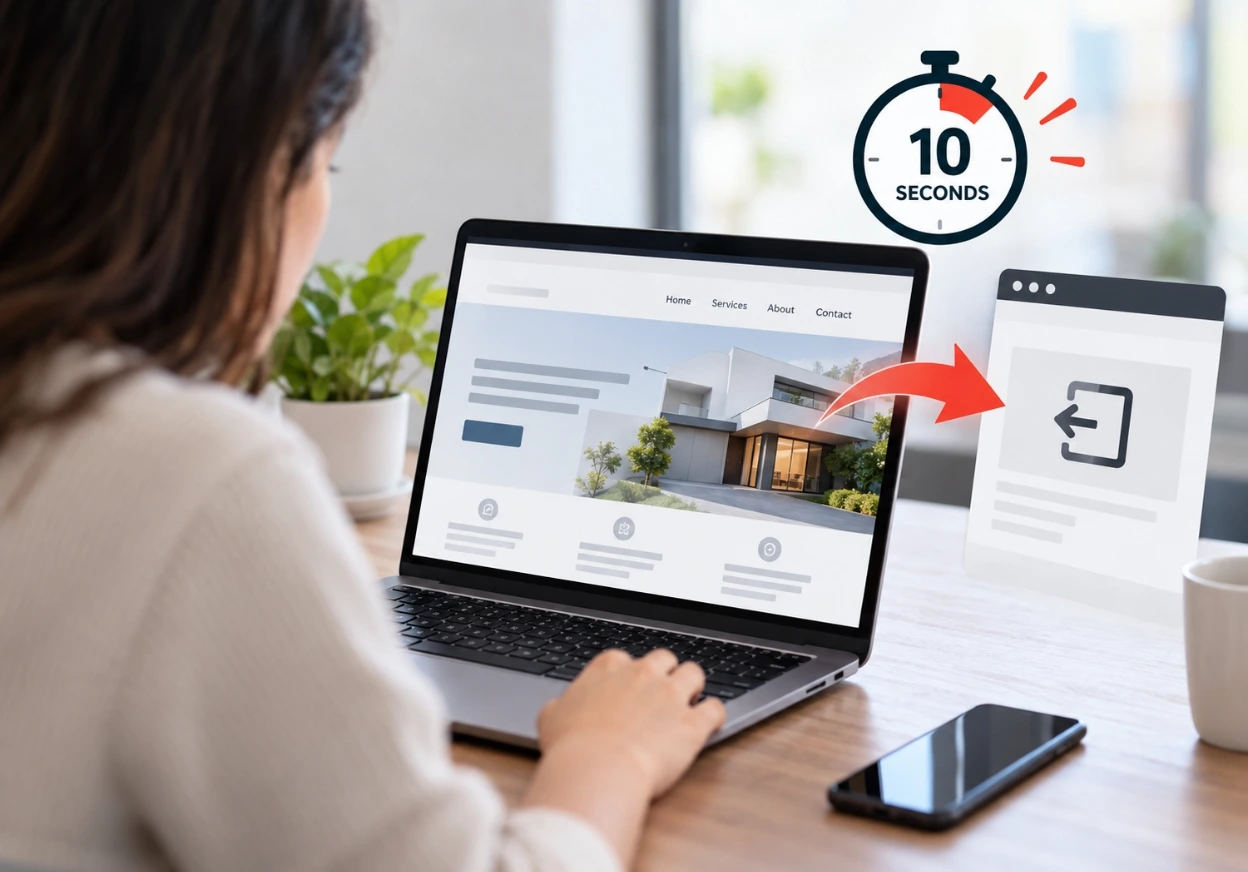
SEO doesn’t work like that. The competitive industries normally require several months before results can be seen, particularly in the competitive industries. Ads win, therefore, if speed is a consideration. But being fast is not necessarily being sustainable.
Cost: What Does It Do to Your Budget?
With Google Ads, you pay for every click. As soon as you cease to pay, your traffic also ceases. With SEO:
- You make investments in content and improvements in the short run.
- After ranking, you will receive traffic without having to pay per visitor.
SEO is also likely to be cheaper as time goes by. This is the reason why long-term growth-oriented businesses tend to vote in favour of SEO in the SEO vs Google Ads debate.
Long-run Development: Construction vs Leasing
Consider SEO the house-building process. It takes time. Effort. Planning. But once it’s built, it’s yours. Google Ads is closer to renting. You are publicised instantly, as long as you continue paying.
Assuming you want to achieve steady growth, which will multiply in the long run, it is evident that SEO presents a better case. However, in case you require rapid exposure, advertisements work.
Trust and Credibility
This is what most people do not talk about. Many users rely on organics as opposed to advertisements. It feels credible.
And it does not imply that adverts are ineffective. On the contrary, they are also particularly very effective when it comes to high-intent consumers. However, organic rankings have a tendency to develop a greater brand authority over time.
Targeting: Who Sees Your Business?
This is where Google Ads becomes powerful.
You can target:
- Specific locations
- Age groups
- Devices
- Time of day
- Languages
- Specific audiences
SEO doesn’t give you that level of control. You optimise content, and search engines decide who sees it.
So if precision targeting matters – especially for local businesses or limited campaigns – ads offer more flexibility.
How Google Ads Functions
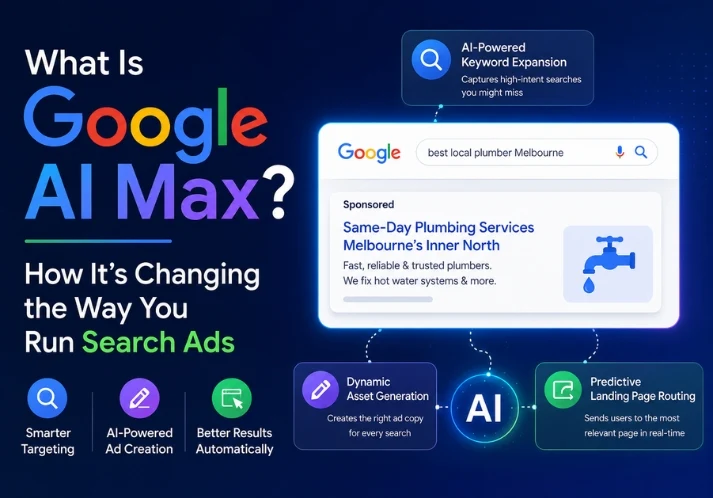
- Keyword Targeting: Choose keywords for which you wish your advertisements to be displayed. The ads are placed above or next to the organic search results of the searches.
- Ad Creation: Compose catchy headlines and descriptions that represent user intent and are likely to be clicked.
- Budgeting and Bidding: Google Ads uses pay-per-click (PPC). You set a budget and only pay when someone clicks your ad.
- Monitoring and Optimisation: Clicks, impressions, conversions, and ROI. The constant testing and modifications are what make campaigns achieve maximum results.
When SEO Makes More Sense
SEO is a strong choice when:
- You want sustainable growth.
- You’re building brand authority.
- You’re willing to wait for results.
- You want consistent traffic without paying per click.
- You’re thinking long-term.
If your mindset is “I want to build something that lasts”, SEO fits well.
When Google Ads Makes More Sense.
Ads are ideal when:
- You need leads quickly.
- You’re launching something new.
- You’re testing a new idea.
- You’re running a limited-time offer.
- You have a budget but not enough time.
In short-term situations, Google Ads often delivers faster impact.
The Smart Move: Use Both
Here’s the honest answer most experienced marketers will tell you: It’s not really about SEO vs. Google Ads. It’s about using them together.
Here’s how smart businesses do it:
- Product or Service Launch – create awareness and early sales within a short time.
- Seasonal Campaigns – do promotions during events or holidays.
- Market Testing – real-time test messaging, test offers and audiences.
This gives you:
- Immediate visibility
- Long-term stability
- Reduced risk
- Multiple traffic sources
It’s not about choosing sides. It’s about building momentum.
Combining SEO and Google Ads to the Maximum
The most intelligent move is not to pick one of the two but to use them both to your advantage.
Integration Strategy
- Get Traffic Now – Google Ads will get you leads and testing.
- Compare Data on Performance – Find the keywords and advertisements that are performing well.
- Develop SEO Materials on Tested Keywords – Develop long-term organic presence.
- Slowly Lessen Advertising Budget – As the organic rankings get high, the need to use paid campaigns reduces.
For Example: A skincare company is advertising the best serum for dry hair and posting SEO content, such as how to hydrate dry hair. With time, the organic traffic will increase, and advertisements will no longer be necessary, but visibility will not decrease.
Innovative Growth Strategies
Maximise ROI by:
- Content Synergy – SEO content should be informed by ad performance.
- Consistent Messaging – Make ad and organic messages consistent to support your brand.
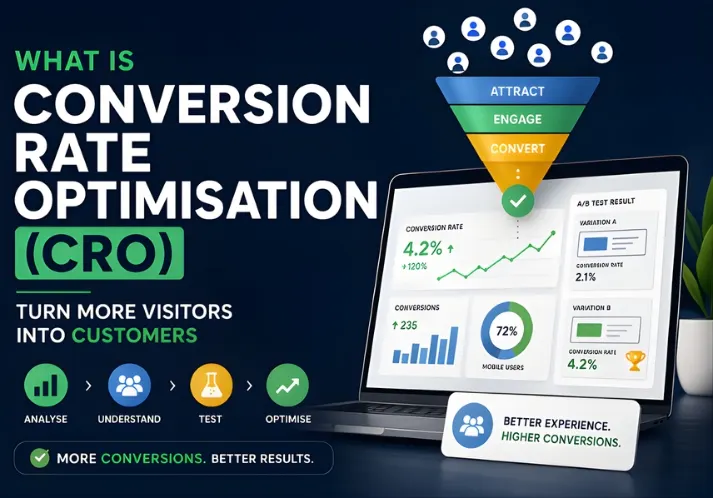
- Conversion Optimisation – How would you improve landing pages, calls-to-action and user experience, based on the knowledge gained in the paid campaigns?
This makes a self-perpetuating growth engine: modified by advertisements, the creation of trust with SEO, and data knowledge enhances both.
A Simple Example
Let’s say you run a hair care website.
You write blog posts like:
- “Best hair care routine for dry hair”
- “Natural remedies for frizzy hair”
Those articles might take months to rank through SEO. But if you run Google Ads targeting “buy hair mask for dry hair”, you can start generating sales immediately.
Over time, your blog posts begin ranking. Now you’re getting traffic without paying for every click. That’s how combining SEO vs. Google Ads creates real business growth.
Common Mistakes to Avoid
No matter which strategy you choose, avoid these mistakes:
- Expecting SEO to work in two weeks
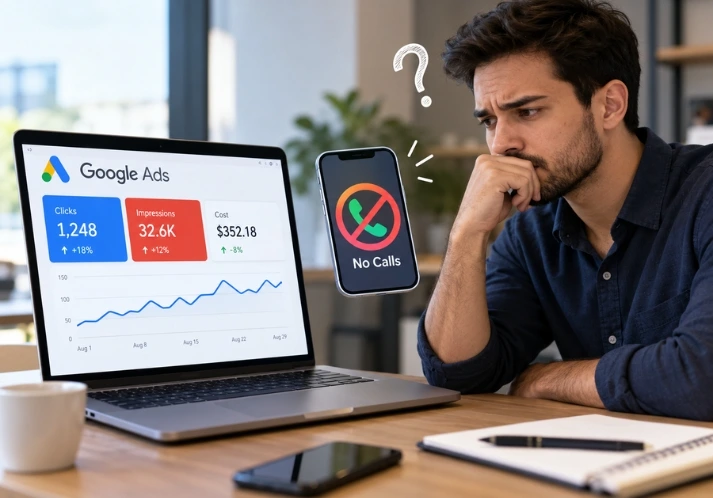
- Running ads without tracking conversions
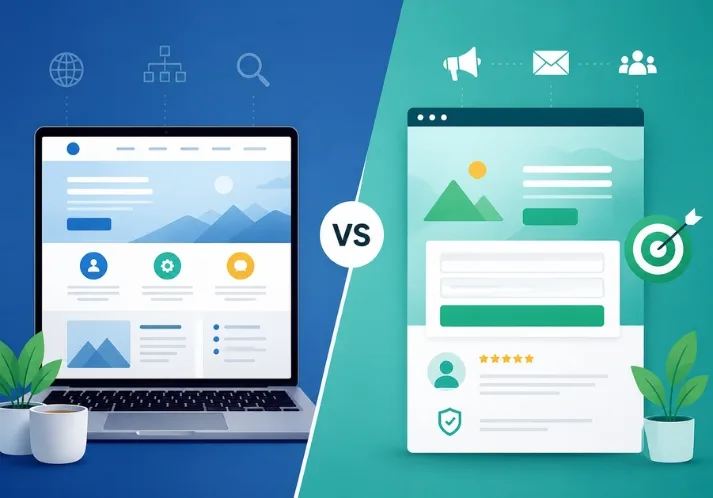
- Sending traffic to weak landing pages
- Ignoring return on investment
- Quitting too early
Both strategies require consistency and clear goals. To achieve sustainable growth, it is necessary to be patient and strategic and make decisions based on data.
So, which one should you choose?
There’s no universal answer. SEO builds authority over time. Google Ads deliver visibility instantly. Together, they create a strong digital foundation. If you’re just starting, don’t stress about making the “perfect” choice. Start small. Test. Learn what works
It depends on:
- Your budget
- Your timeline
- Your competition
- Your industry
- Your business stage.
Growth isn’t about choosing the fastest option. It’s about choosing the right strategy for where your business stands today. And now that you understand the real difference between SEO and Google Ads, you can make that decision with clarity – not confusion.
Conclusion: The Intelligent Way Ahead
In the present-day digital age, there is no growth in picking SEO versus Google Ads. It is about realising their abilities, their weaknesses, their strengths, and how they can be utilised tactically.
- Google Ads speed, accuracy and tests.
- Invest in SEO as a credibility and authority tool and for long-term traffic.
- Integrate both to achieve the greatest reach, insights and sustainability.
The Australian businesses that manage to become successful regard SEO as a long-term investment and Google Ads as an instrument of dexterity and short-term outcomes. They are a complete engine of growth: immediate traffic, knowledgeable strategy, and long-term trust.
Your online presence shouldn’t be a gamble. It should combine speed, credibility, and strategy for both quick results and long-term growth.
If you are a business owner in Melbourne and looking to grow the online presence of your business, it is important to follow the right strategy for SEO and Google Ads. At Optirank, we support businesses to get sustainable traffic through SEO and convert traffic into leads. Contact OptiRank Melbourne today to find the best strategy for your business.
FAQs
1. Which is better for beginners: SEO vs Google Ads?
Google Ads may be a faster and easier way to track results, particularly for beginners. Nonetheless, SEO creates greater long-term value. The more appropriate one would be based on the speed of the required outcome.
2. Is SEO cheaper than Google Ads?
SEO is also not per click and is therefore more cost-effective in the long run. Google Ads is a system that needs constant traffic payment. SEO tends to offer a superior ROI in the long term when compared to the alternatives of cost.
3. How long does SEO take to show results?
SEO normally requires a period of 3 to 6 months to realise the visible changes. It may require a lot of time in highly competitive industries.
4. Does Google Ads improve SEO rankings?
No, running Google Ads won’t actually directly improve your organic rankings, as paid ads and SEO work separately within search engines.
5. Which brings better conversion rates?
The rate of conversion is based on the quality of the landing page, offer and targeting rather than on the source of traffic. The two strategies have the potential to provide high conversions when optimised.
6. Which is more effective: SEO or Ads?
These are conversions based on user intent, landing page quality and relevance.