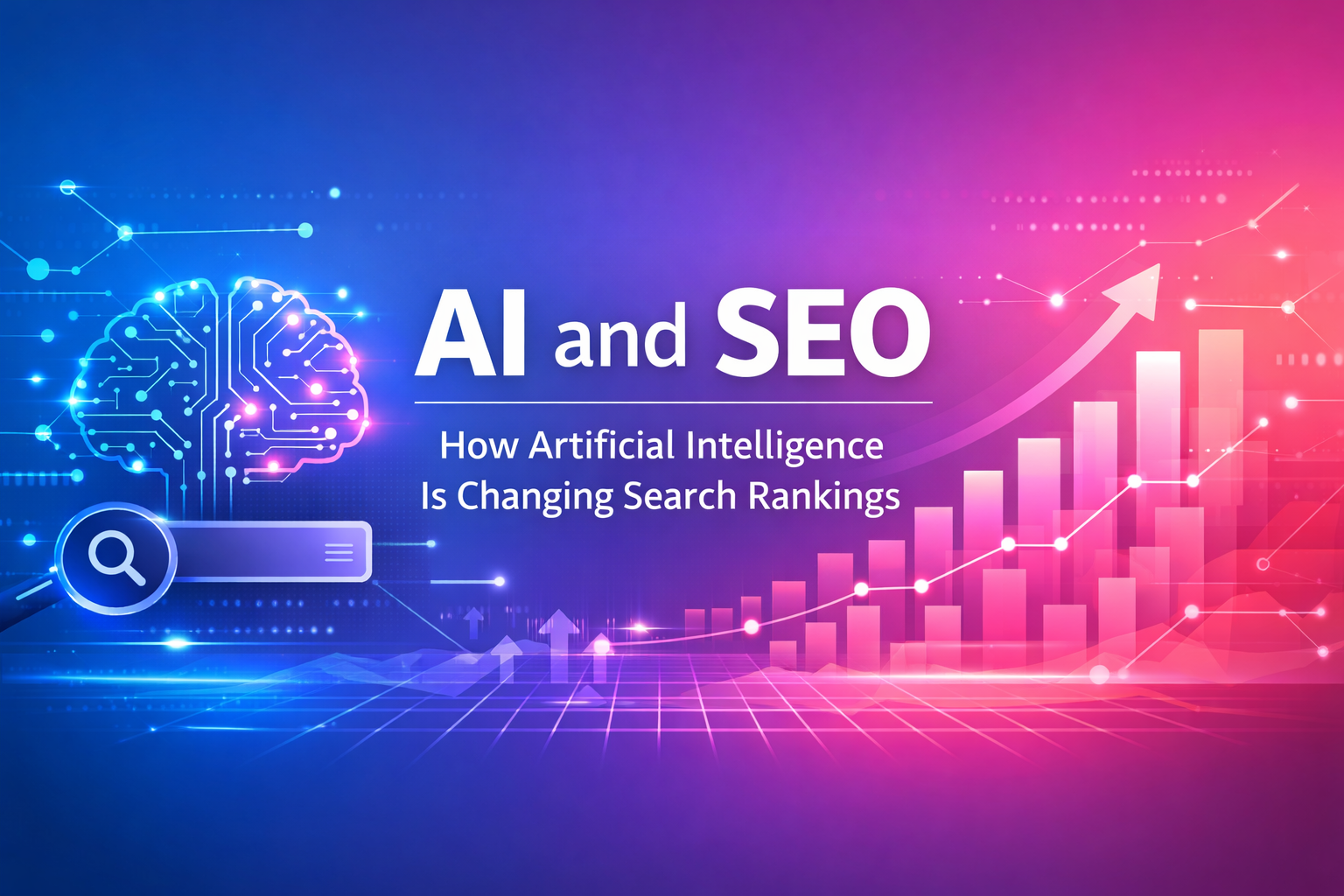

AI in digital marketing is no longer a futuristic concept – it is the competitive edge that businesses across Australia and the world are actively using right now. From automating repetitive tasks to generating personalised content at scale, artificial intelligence is reshaping how brands connect with their audiences.
But knowing that AI exists is very different from knowing how to use it effectively. Many businesses are either ignoring it entirely or diving in without a clear strategy – and both approaches come at a cost.
This guide breaks down exactly how to use AI across every key area of digital marketing in 2026 – from SEO and paid ads to content creation and lead generation. Whether you are a small business owner or a marketing manager, you will walk away with practical steps you can act on today.
AI in Digital Marketing – What Does It Actually Mean?
At its core, AI in digital marketing refers to the use of machine learning, natural language processing, and predictive analytics to automate, optimise, and personalise marketing activities. Instead of relying purely on human effort, AI tools analyse large data sets, identify patterns, and execute actions faster than any team could manually.
In practical terms, AI helps marketers:
- Create content faster without sacrificing quality
- Understand audience behaviour through intelligent data analysis
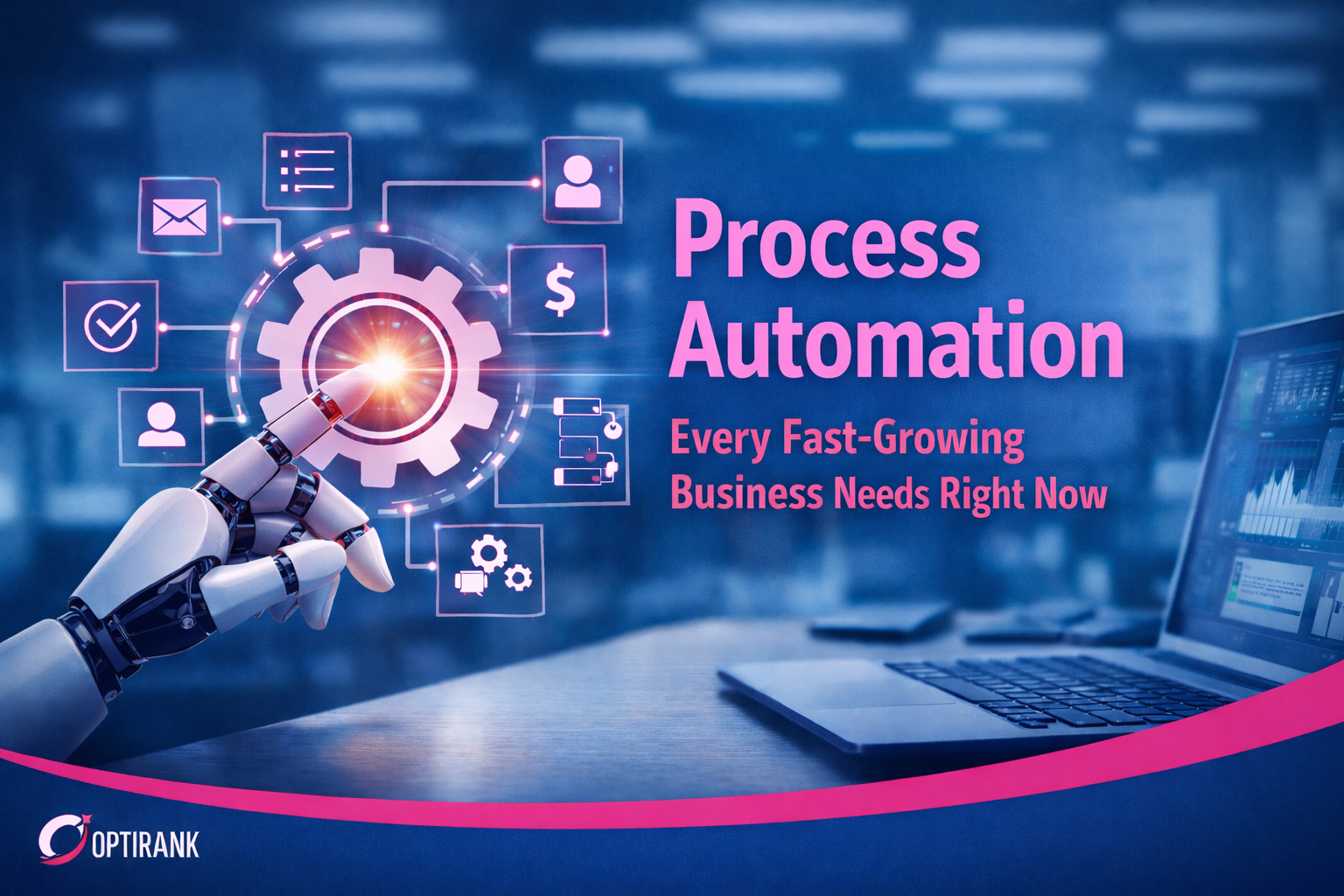
- Automate repetitive tasks like email sequences and ad bidding
- Personalise user experiences at scale across multiple channels
- Predict customer intent and optimise conversion funnels
The shift is significant: AI is not replacing marketers – it is removing the bottlenecks that slow them down.
Key Areas Where AI Is Transforming Digital Marketing
AI is not a single tool – it is a layer of intelligence that sits across your entire marketing stack. Here is how it is changing each channel in 2026.
SEO and Content Creation
AI tools like Surfer SEO, ChatGPT, and Jasper have made keyword research, content briefs, and on-page optimisation significantly faster. These tools analyse top-ranking pages and suggest the exact structure, word count, and semantic keywords your content needs to compete.
Key use cases include:
- Generating SEO-optimised blog drafts in minutes
- Identifying content gaps through AI-powered competitor analysis
- Automating meta title and description creation
- Improving topical authority by building AI-assisted content clusters
Paid Advertising and Google Ads
Google’s Performance Max campaigns use AI to automate bidding, audience targeting, and ad placement across Search, Display, YouTube, and Gmail. Rather than manually managing individual ad sets, AI continuously tests and reallocates budget toward what converts.
What this means for your business:
- Lower cost-per-click through smart bidding strategies
- Faster A/B testing of ad copy using AI-generated variations
- More accurate audience segmentation based on intent signals
- Real-time campaign adjustments without manual oversight
Social Media Marketing
AI-powered scheduling tools now handle caption generation, hashtag research, and audience sentiment analysis. This frees up time for strategy while ensuring your social presence stays active and consistent – without the daily grind of manual posting.
Email Marketing
AI transforms email from a broadcast channel into a personalised conversation. Platforms like HubSpot and Klaviyo use machine learning to determine the best send times, personalise subject lines, and automatically segment lists based on user behaviour.
The result? Higher open rates, better click-throughs, and more leads moving through your funnel without extra manual effort.
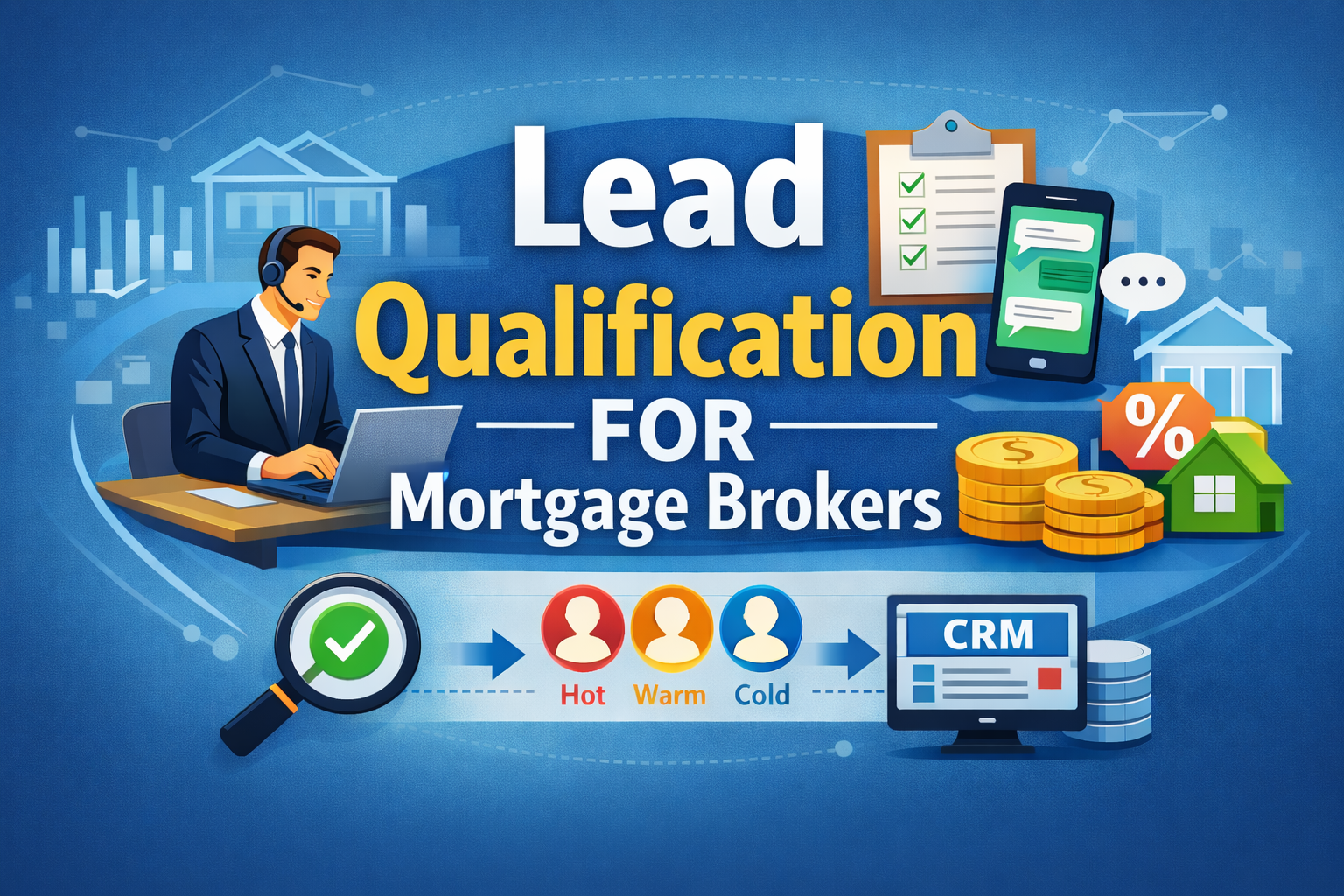
Lead Generation and CRM Automation
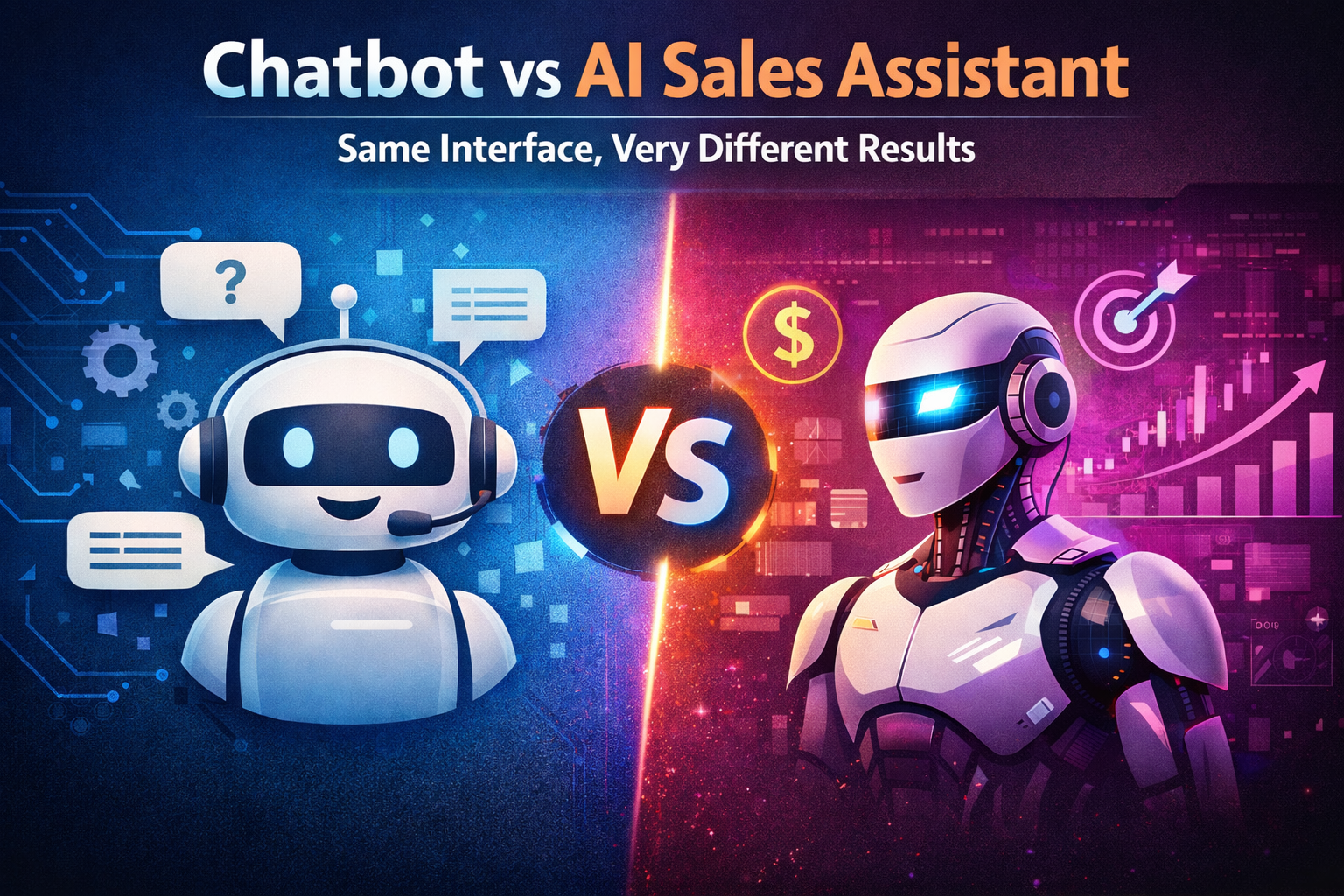
AI chatbots qualify leads 24/7, answer common questions, and book appointments – all without human intervention. Combined with AI-powered CRM tools, businesses can score leads, automate follow-up sequences, and focus sales attention where it matters most.
How To Use AI for SEO, AEO, and GEO in 2026
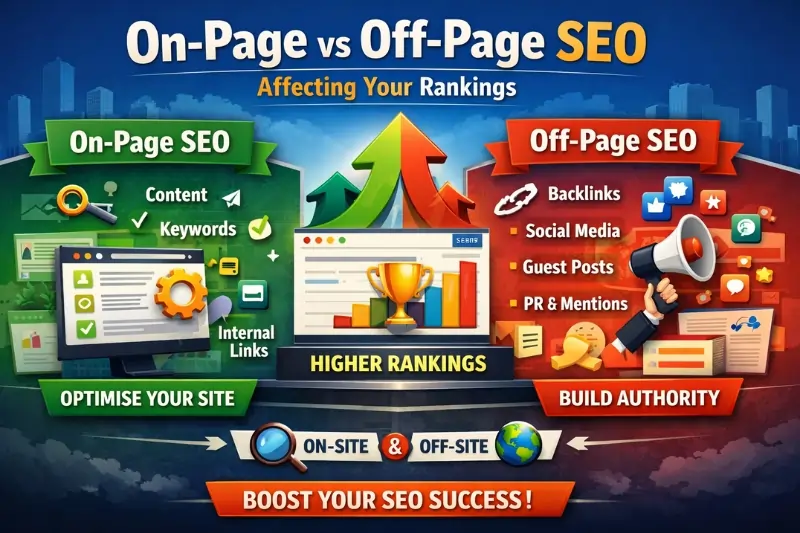
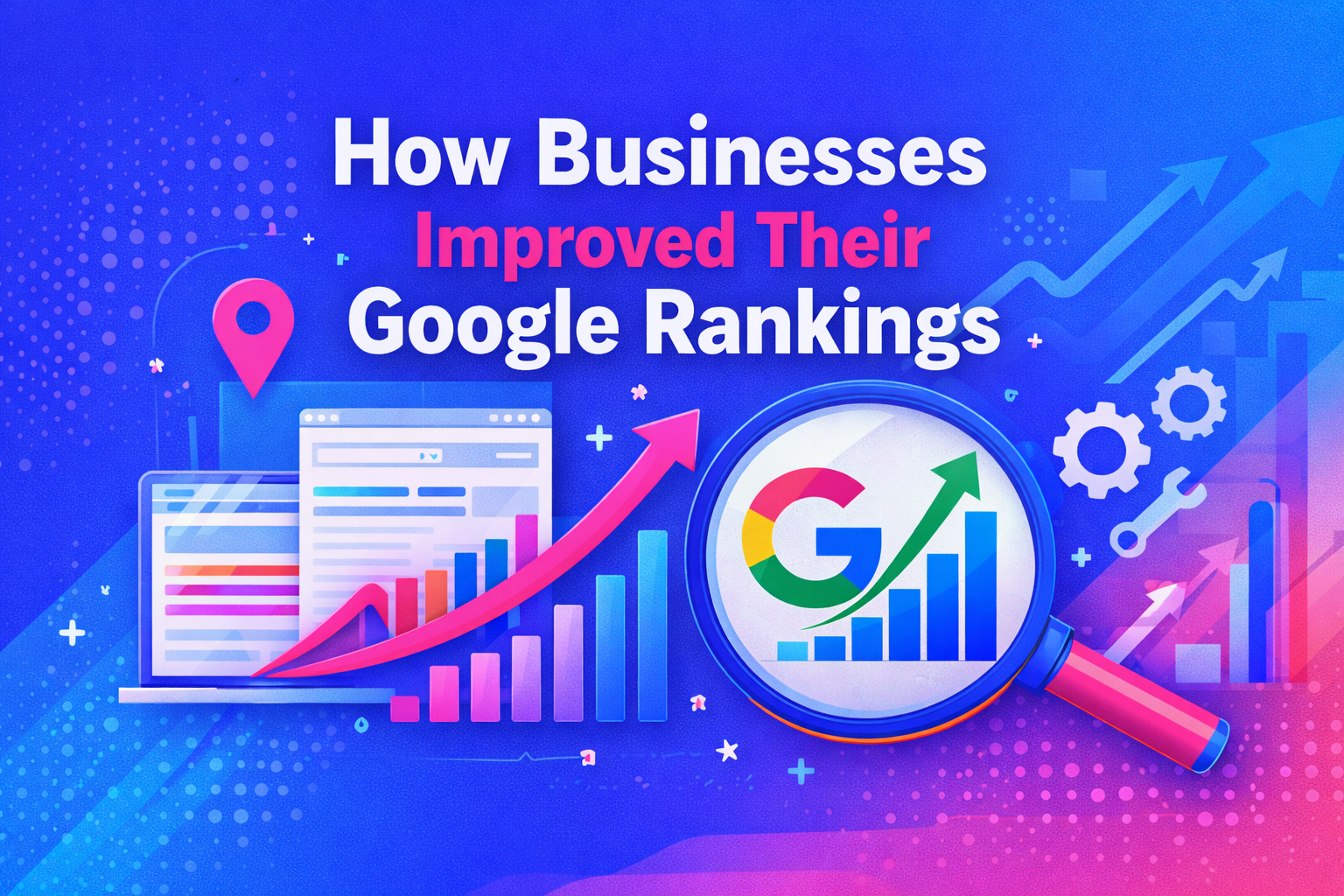
Traditional SEO is evolving fast. In 2026, ranking on Google is just one part of the equation. Businesses now need to optimise for two additional layers of search visibility: Answer Engine Optimisation (AEO) and Generative Engine Optimisation (GEO).
What is AEO (Answer Engine Optimisation)?
AEO focuses on structuring your content so that search engines can pull it as a direct answer – think featured snippets, People Also Ask boxes, and voice search results. It is about being the source that answers the question, not just the page that ranks for it.
To optimise for AEO:
- Use clear Q&A format within your content
- Add FAQ schema markup to key pages
- Write concise, direct answers within the first 50–60 words of each section
- Target long-tail, conversational keyword phrases
What is GEO (Generative Engine Optimisation)?
GEO is the next frontier. It is about getting your brand cited inside AI-generated responses – from Google AI Overviews, ChatGPT, and Perplexity. When someone asks an AI a question, you want your website to be referenced as a trusted, authoritative source.
To improve your GEO visibility:
- Build strong topical authority through content clusters and internal linking
- Focus on E-E-A-T signals: Experience, Expertise, Authoritativeness, Trust
- Get mentioned in high-authority publications and industry directories
- Use structured data and schema to make content machine-readable
- Write original insights and data – not just rehashed information
Businesses that ignore AEO and GEO in 2026 are leaving a significant portion of search visibility on the table – visibility that their competitors are already claiming.
Common Mistakes Businesses Make With AI Marketing
Jumping into AI without a clear framework is one of the most common issues we see. Here are the mistakes to avoid:
- Over-relying on AI-generated content without human editing – raw AI output lacks brand voice, lived experience, and the E-E-A-T signals Google values most.
- Ignoring AEO and GEO entirely – if your content is not structured for AI engines, you are invisible in the fastest-growing search channels.
- Using AI tools in isolation – the real power comes from integrating tools across your SEO, ads, email, and CRM into a unified strategy.
- Not measuring AI-driven visibility – traditional keyword rankings do not capture whether your brand is being cited in AI responses. Track AI share of voice separately.
- Publishing unedited AI content at scale – Google’s helpful content updates target thin, low-quality AI content. Always add unique insights, data, and genuine expertise.
FAQ – AI in Digital Marketing
What is AI in digital marketing?
AI in digital marketing refers to using machine learning, natural language processing, and automation tools to improve marketing performance. It helps businesses create content, run ads, nurture leads, and optimise SEO faster and more effectively than traditional manual methods.
How can small businesses use AI for marketing?
Small businesses can start with affordable AI tools like ChatGPT for content creation, Google Performance Max for ads, and chatbots for automated lead generation. The key is to start with one channel, build a process, and expand from there – rather than trying to automate everything at once.
Is AI replacing digital marketers?
No – AI is replacing the repetitive, low-value tasks that consume a marketer’s time. Strategy, creative direction, brand positioning, and relationship-building remain deeply human. Marketers who adopt AI tools become more productive and more valuable, not redundant.
What is the difference between AEO and GEO?
AEO (Answer Engine Optimisation) focuses on getting your content featured as a direct answer in search results – such as Google’s featured snippets, voice search, and People Also Ask sections. GEO (Generative Engine Optimisation) goes further: it is about getting your brand cited inside AI-generated responses from tools like ChatGPT, Perplexity, and Google AI Overviews.
Final Thoughts
AI is reshaping every layer of digital marketing – from how content is created and how ads are managed, to how brands are discovered through AI-powered search. Businesses that build an AI-ready strategy today will have a measurable advantage tomorrow.
But strategy still matters most. AI tools are only as effective as the people guiding them.
Want to build an AI-ready digital marketing strategy for your business in Australia? Talk to the team at Optirank – we combine AI-powered tools with proven strategy to help you rank, get found, and grow. Visit optirank.com.au/contact-us/ to get started.