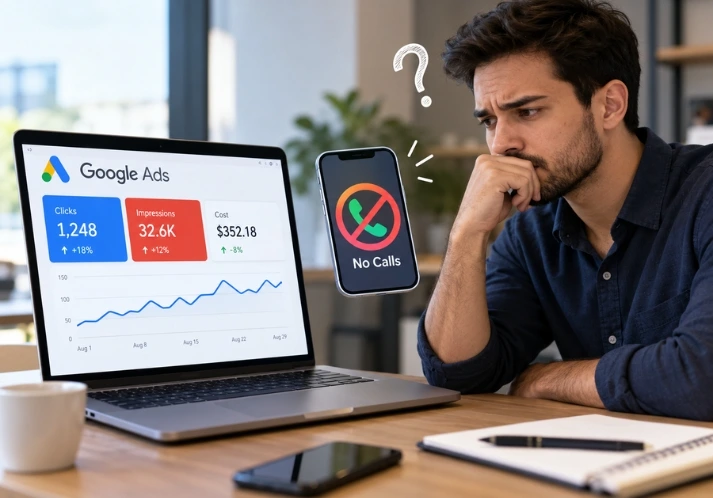

What is marketing automation – and why does it seem like every business around you is talking about it? If you’ve been running your marketing manually, you already know the grind. You send the same follow-up emails, post on social at the same times, and try to remember where each lead is in your pipeline. It works until you grow. Then it breaks.
Marketing automation is what replaces that grind with a system. One that runs while you sleep, responds faster than any person could, and never forgets to follow up.
This guide breaks down exactly what it is, how it works, and whether your business actually needs it.
What Is Marketing Automation, Really?
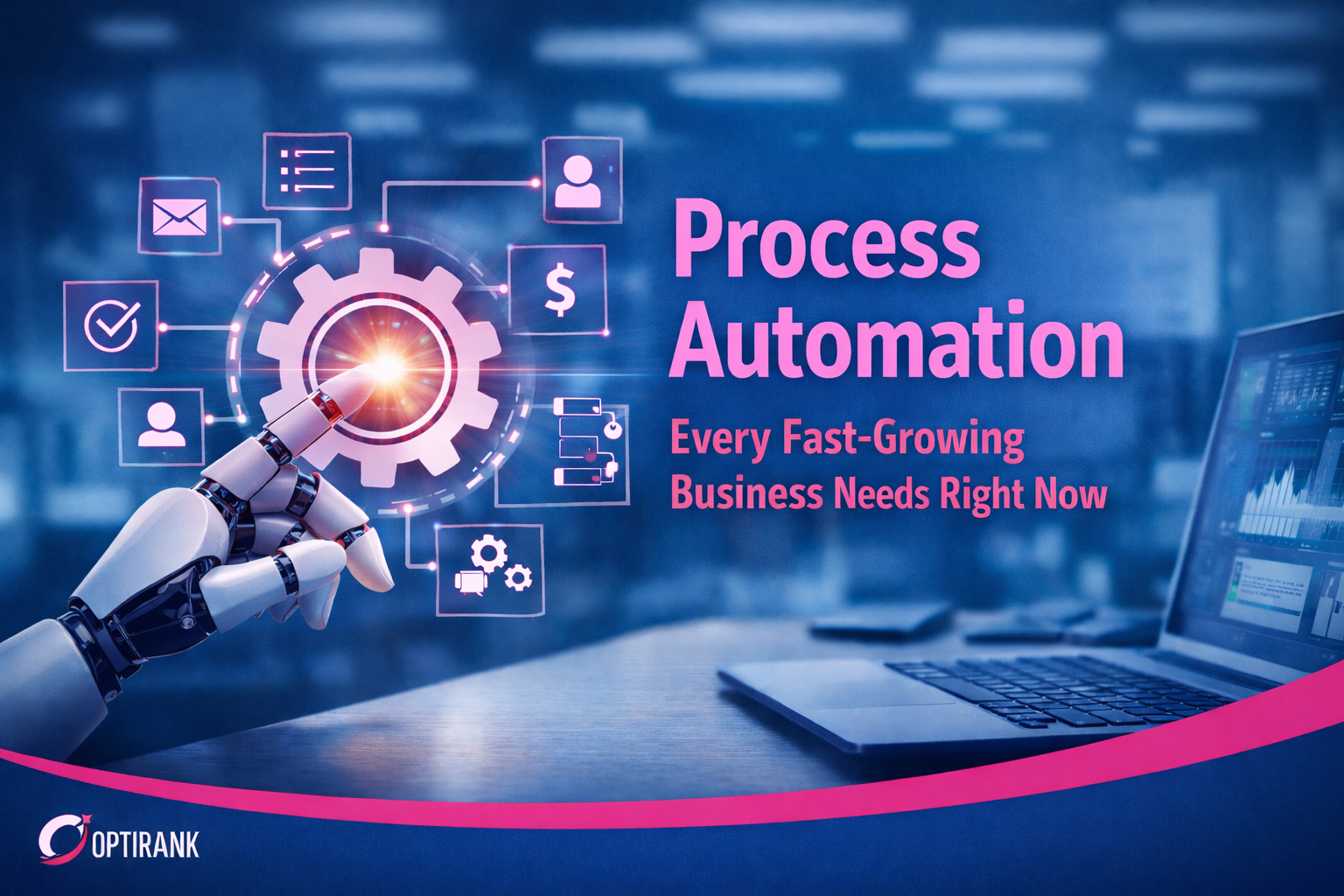
What is marketing automation in plain terms? It’s software that handles repetitive marketing tasks for you – automatically. Instead of manually sending welcome emails, chasing cold leads, or scheduling social posts one at a time, you set it up once and the system takes over.
Think of it less like a robot and more like a very organised version of your best marketer – one who never sleeps, never forgets, and responds to customer behaviour the second it happens.
At its most basic level, marketing automation covers:
- Email sequences sent based on what someone did (clicked a link, downloaded something, visited a pricing page)
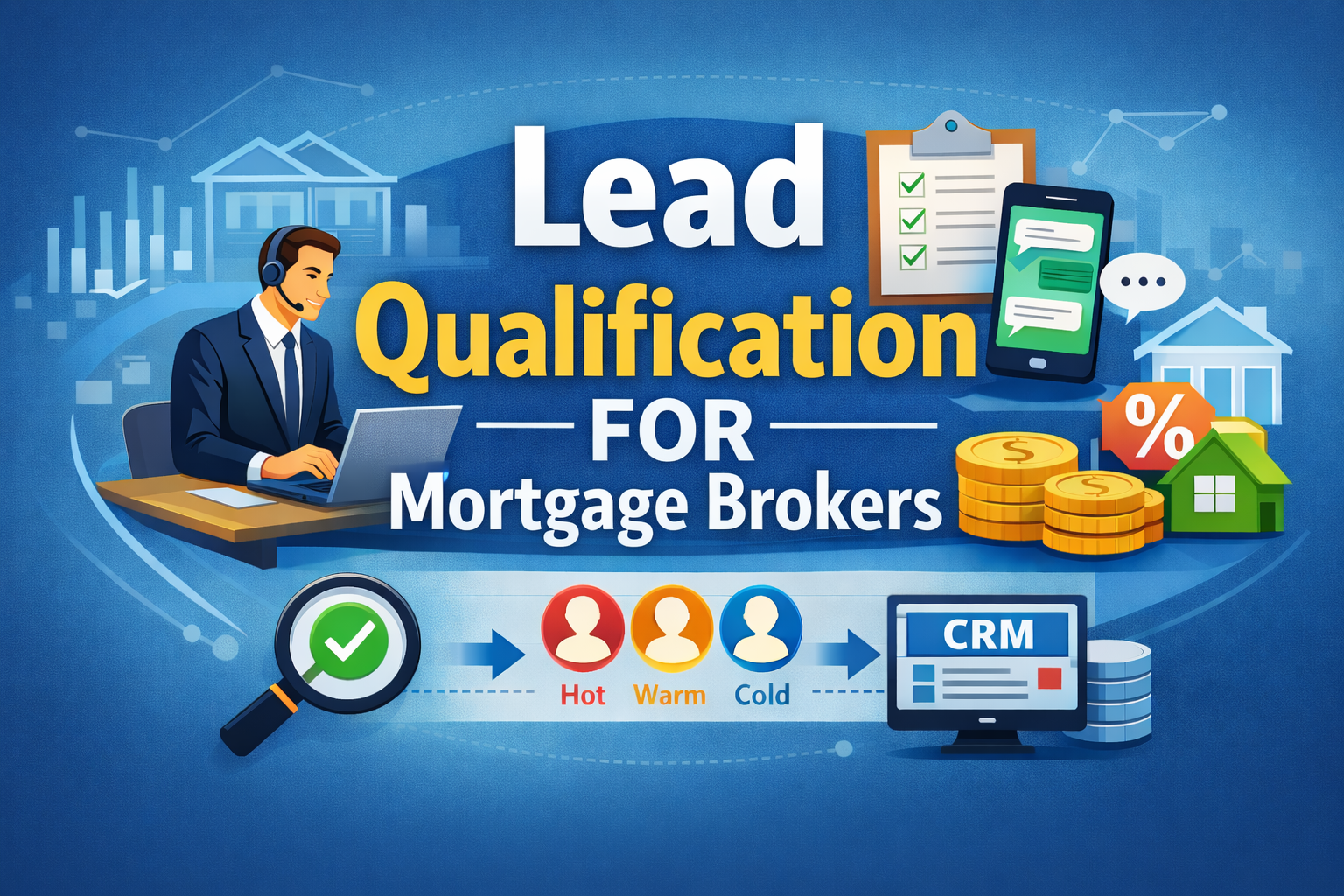
- Lead scoring – ranking contacts by how engaged they are
- CRM updates that happen automatically when someone takes an action
- SMS and social follow-ups triggered by customer behaviour
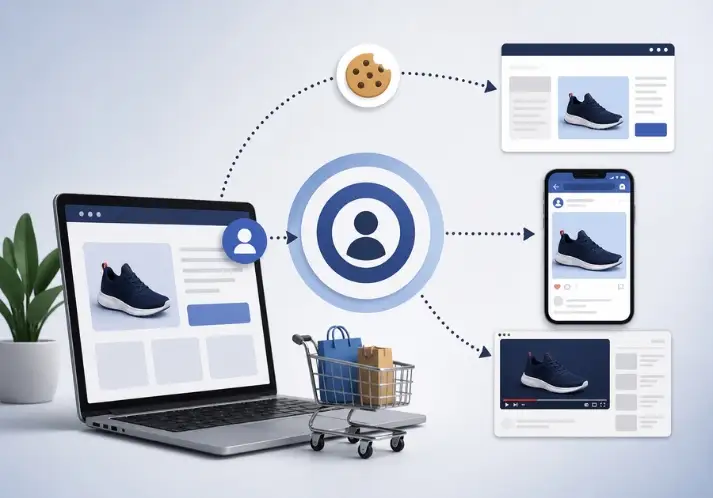
- Retargeting ads that follow people across platforms after they’ve visited your site
The goal isn’t to remove the human element from your marketing. It’s to free your team up for the work that actually requires a human.
How Does Marketing Automation Work?
Marketing automation runs on a simple logic: trigger → action.
Someone does something (the trigger). Your system responds with something (the action). You define both in advance, and then it runs on its own.
Here’s a simple example:
- A visitor downloads your free guide from your website
- They’re automatically added to a nurture email sequence
- Over 10 days, they receive 3 emails with helpful content
- If they click a specific link in email 3, they’re flagged as a hot lead
- Your sales team gets an automatic notification
None of that required a single person to press send. The whole thing ran because someone downloaded a PDF.
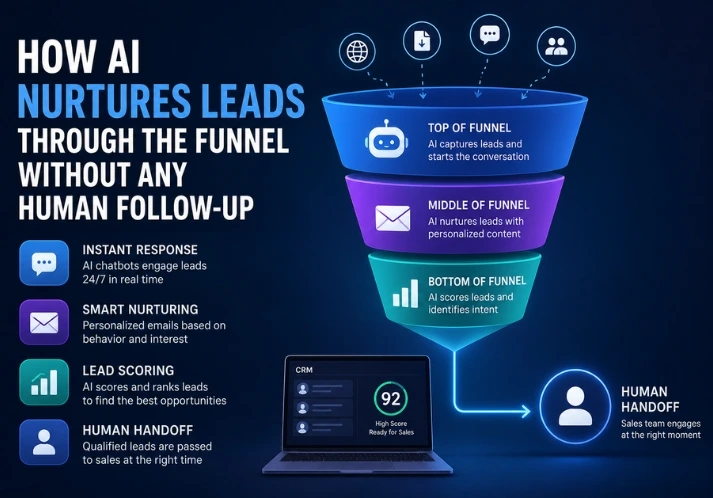
More advanced platforms go further. They track behaviour across your website, email, social, and even paid ads – then adjust what each contact receives based on how they engage. A contact who opens every email gets a different path than one who’s been quiet for two weeks.
This is what’s called an automated marketing workflow – a branching, behaviour-driven system that treats each lead as an individual rather than part of a mass broadcast.
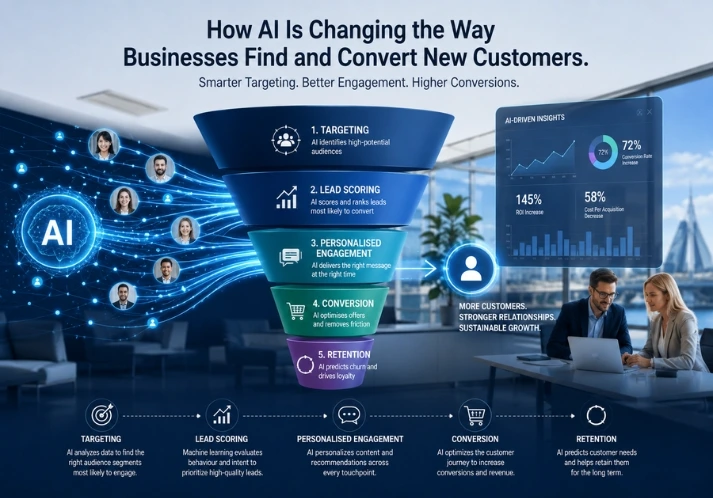
Modern tools also layer in AI-powered lead scoring, which analyses thousands of data points to predict who’s ready to buy. Rather than guessing, your sales team gets a ranked list every morning.
Key Things Marketing Automation Can Handle
Marketing automation software covers more ground than most people realise. Here’s what it commonly manages:
Email marketing automation: Welcome emails, abandoned cart recovery, post-purchase follow-ups, re-engagement campaigns – all sent based on user behaviour, not a manual calendar.
Lead nurturing automation: Contacts who aren’t ready to buy right now don’t disappear. Automation keeps them warm with relevant content over weeks or months, so when they’re ready, your brand is top of mind.
CRM marketing automation: Every action a lead takes – page visit, email open, form fill – updates their record automatically. Your sales team always has a current picture without anyone manually logging it.
Social media scheduling: Pre-scheduled posts that go out at peak engagement times, without someone having to babysit the publish button.
Omnichannel campaign coordination: A lead might start on your website, get an email, see a retargeting ad on Instagram, and receive an SMS reminder – all connected, all consistent. Omnichannel marketing automation makes that journey coherent instead of scattered.
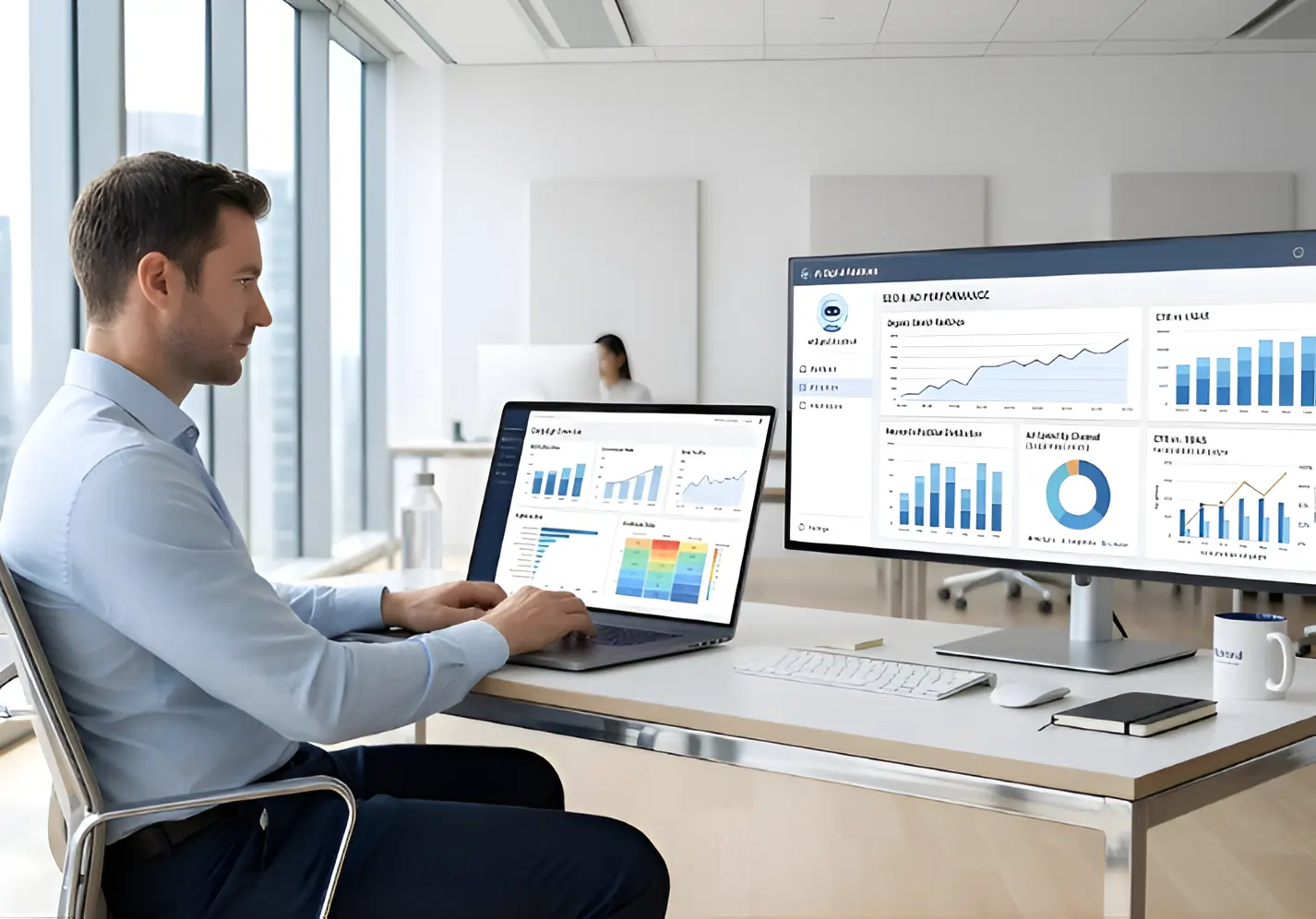
Reporting and analytics: Which campaigns are working? Where are leads dropping off? Automation platforms give you dashboards with real numbers, not gut feelings.
Why Australian Businesses Are Adopting It Fast
Marketing budgets in Australia are under pressure. Teams are smaller than they were a few years ago, and the expectation to do more with less is real.
Brands that adopt automation effectively can reduce workload by 60–70% and increase conversion rates – that’s not a number pulled from thin air, it reflects what happens when you stop doing manually what a system can do automatically.
For Australian SMEs especially, the appeal is straightforward:
- No need to hire a large marketing team – Automation handles the volume
- Better response times – Leads get contacted immediately, not when someone checks the inbox
- Consistent follow-up – Nothing falls through the cracks during busy periods
- Data on what’s working – Not assumptions, actual campaign data
Local service businesses, e-commerce stores, and agencies alike are finding that the businesses growing fastest aren’t necessarily spending more – they’re just operating smarter.
How to Get Started Without Overcomplicating It
The biggest mistake businesses make with marketing automation is trying to build everything at once. Here’s a more practical approach:
Step 1: Pick one workflow to start
Don’t map out 15 sequences on day one. Start with something simple – a welcome email series for new leads, or an abandoned cart recovery flow.
Step 2: Clean your contact data first
Automation is only as good as the data it runs on. If your CRM is full of duplicates and outdated contacts, fix that before you start automating. Accurate contact information is your foundation for any workflow.
Step 3: Choose the right platform
Popular tools include HubSpot, ActiveCampaign, Klaviyo (great for e-commerce), and Mailchimp. Each has a different strength depending on your business size and goal. For Australian businesses working with an agency, ask specifically about AI automation capabilities – modern platforms are significantly more powerful when AI is layered in.
Step 4: Define your triggers clearly
What should each automation respond to? A page visit? A form submission? A specific email click? The clearer your triggers, the more relevant your automation will feel.
Step 5: Test before you set and forget
Run every sequence yourself first. Make sure the timing feels right, the content reads well, and the logic works the way you intended.
Step 6: Review monthly
Check open rates, click rates, and conversion data. Adjust anything that’s underperforming. Automation isn’t a one-time setup – it needs occasional tuning.
For a deeper read on how automation fits into broader digital strategy, Salesforce’s marketing automation resource is worth a look.
Common Mistakes to Avoid
Even well-intentioned automation can backfire. Watch out for these:
- Automating too early – If your messaging isn’t right yet, automation will just send the wrong message faster
- Ignoring unsubscribes and opt-outs – Always honour these immediately; compliance matters in Australia under the Spam Act 2003
- Over-automating – Contacts notice when every single interaction feels scripted. Leave room for real human touchpoints
- Skipping segmentation – Sending every contact the same sequence defeats the purpose. Segment by behaviour, not just demographics
- Not connecting marketing and sales data – If your marketing automation and CRM don’t talk to each other, you’ll have gaps in your pipeline
FAQs
What is marketing automation used for?
It’s used to handle repetitive marketing tasks automatically – including email sequences, lead scoring, social media scheduling, CRM updates, and multi-channel campaigns. The goal is to reach the right person with the right message without doing it manually every time.
Is marketing automation only for big businesses?
No. Many small and medium-sized businesses use automation tools effectively. Even with a list of 200–300 contacts, automation saves hours every week and keeps follow-up consistent. The tools available today are far more affordable and accessible than they were five years ago.
How is marketing automation different from email marketing?
Email marketing is one channel. Marketing automation is the system that can include email, SMS, social ads, CRM updates, and more – all triggered by behaviour and connected. Email marketing sends a message; automation manages a journey.
Does marketing automation replace my marketing team?
No. It replaces the manual, repetitive parts of their work so they can focus on strategy, creativity, and the decisions that genuinely need human thinking. Most teams that implement automation well find they can do significantly more with the same number of people.
What’s the best marketing automation tool for Australian businesses?
It depends on your industry and goals. HubSpot suits mid-size businesses well. Klaviyo is strong for e-commerce. ActiveCampaign works well for service businesses. If you want AI-powered automation that connects across your whole funnel, talk to a specialist – the right platform for your business isn’t always the most popular one.
How long does it take to see results from marketing automation?
Basic workflows like welcome emails and abandoned cart sequences can show results within the first few weeks. More complex lead nurturing sequences typically take 60–90 days to show meaningful data.
Worth Doing – When Done Right
Marketing automation isn’t a magic switch. It won’t fix a weak offer or unclear messaging. But if your business has a solid product and a stream of leads that aren’t being followed up properly, automation is the most efficient fix available.
The businesses winning in their category right now aren’t necessarily the ones with the biggest budgets. They’re the ones who’ve built systems that work when they’re not in the room.
If you’re not sure where to start or what platform fits your setup, Optirank’s team works with Australian businesses on exactly this – connecting AI-powered automation to your marketing and sales process so nothing gets missed.